In many rural regions across the United States, access to quality healthcare remains a significant challenge. Among these underserved areas is Southwest Virginia, where poverty and limited medical services have persisted for decades. The innovative approach of mobile healthcare units, exemplified by the renowned Health Wagon, has transformed the landscape of rural medicine. This organization has been delivering vital medical services directly to those in need for over 35 years, bridging gaps that traditional healthcare systems often leave unanswered.
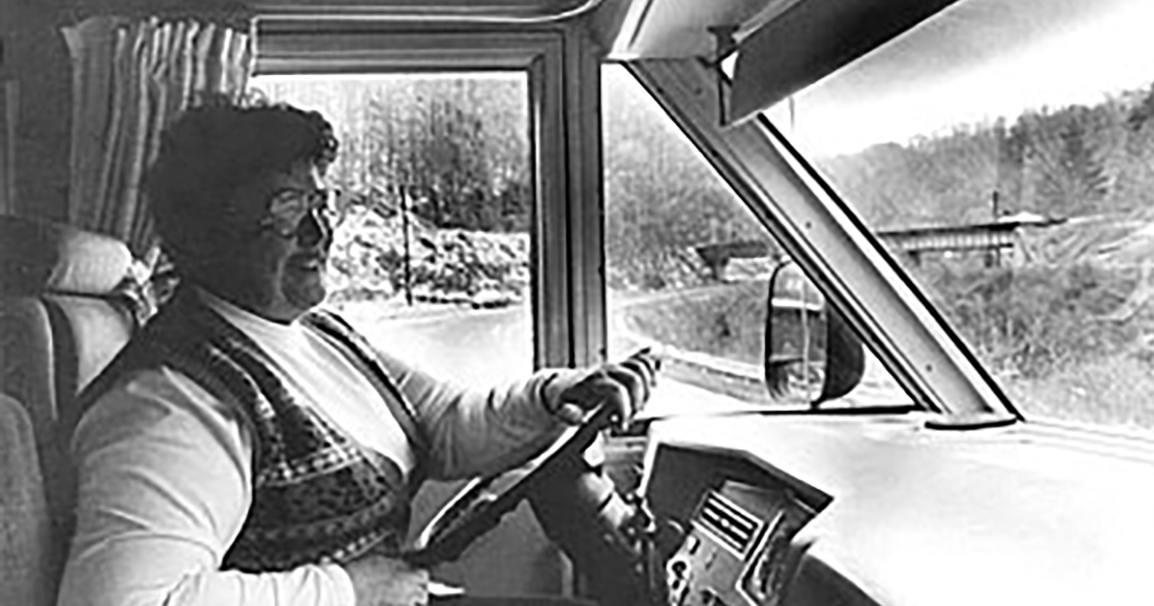
The journey of the Health Wagon began with a simple yet profound mission: to bring healthcare directly to the doorsteps of Appalachia’s most isolated communities. In its early days, a dedicated nurse named Sr. Bernadette “Bernie” Kenny, having previously served as a midwife in Africa, took it upon herself to provide free medical care from her own vehicle. Her commitment turned into a full-fledged non-profit organization that now serves more than 11,000 patients annually, offering services valued at over $1 million. The organization’s roots trace back to 1982 when it operated from a donated Winnebago RV, which was eventually replaced by a state-of-the-art mobile unit, including a permanent clinic facility at Virginia Tech in Blacksburg.
The organization’s success is driven by a small yet dedicated team. Executive Director Teresa Gardner, who joined in 1993 and took over leadership from Sr. Bernie in 2006, emphasizes the importance of vision and perseverance. Gardner, a native of Coeburn, Virginia, and her Clinical Director, Paula Hill-Meade, work tirelessly alongside their team to ensure that healthcare reaches the most vulnerable populations. Despite offering free services, the organization incurs costs of nearly $800,000 annually, covering primary care, preventative treatments, and chronic disease management, including conditions like hypertension and COPD. Their work is crucial, especially considering the limited access to diagnostics and specialists in the region.
One of the core philosophies of the Health Wagon is to provide care in the familiar environment of patients’ homes. Sr. Bernie believed that building trust and understanding the lifestyle factors contributing to illness are essential for effective healthcare delivery. Many patients, such as 39-year-old Tracey Salyers, rely on the organization for ongoing management of chronic conditions like type-2 diabetes. Salyers, a mother of five from Coeburn, appreciates the community-oriented atmosphere at the clinic, where caregivers genuinely get to know their patients. Such personalized care is vital in fostering health improvements and ensuring that patients feel supported and respected.
Interesting:
Appalachia’s rich cultural history is intertwined with economic challenges, notably the reliance on coal mining. This industry, while providing employment, has also introduced health hazards, including respiratory diseases such as black lung, asthma, and pollution-related ailments. The environmental impact of coal mining and transportation contributes significantly to local health issues, a situation compounded by economic downturns. Recent layoffs in the coal industry have led to a surge in patients seeking assistance at the Health Wagon, sometimes up to 100 per week during periods of high unemployment. This increase underscores the critical need for accessible healthcare services in the region.
The Health Wagon actively participates in large-scale outreach efforts like the annual Remote Area Medical (RAM) event, held in Wise, Virginia. During RAM weekends, the organization offers comprehensive free medical, dental, and vision care to hundreds of patients. People travel from across the country—flocking from states like Florida and Michigan—to receive services that are otherwise unavailable locally. The event highlights the severe healthcare disparities faced by Appalachian residents and the vital role of volunteer-driven initiatives in bridging these gaps.
Looking ahead, the organization plans to expand its facilities, including establishing a permanent clinic and increasing pharmacy access. Education and self-care awareness are also priorities, aiming to stem the “brain drain” of young talent leaving the region for better opportunities elsewhere. Sr. Bernie envisions a future where more local residents can find meaningful employment and healthcare careers at home, ultimately strengthening the community’s health infrastructure. Improving the ratio of primary care physicians—currently around 4,000:1 in southwest Virginia—is essential to building a sustainable healthcare system.
The success of the Health Wagon exemplifies how innovative, community-focused healthcare models can effectively serve underserved populations without the political and logistical complexities of national reforms. As this resource explains, examining how alternative models can improve access is crucial for future health policy. The passion and dedication of leaders like Sr. Bernie and her team demonstrate that caring for others with compassion and ingenuity can create lasting change. Their work not only saves lives but also inspires broader efforts to ensure that healthcare reaches every corner of the nation, regardless of economic status or geographic barriers.