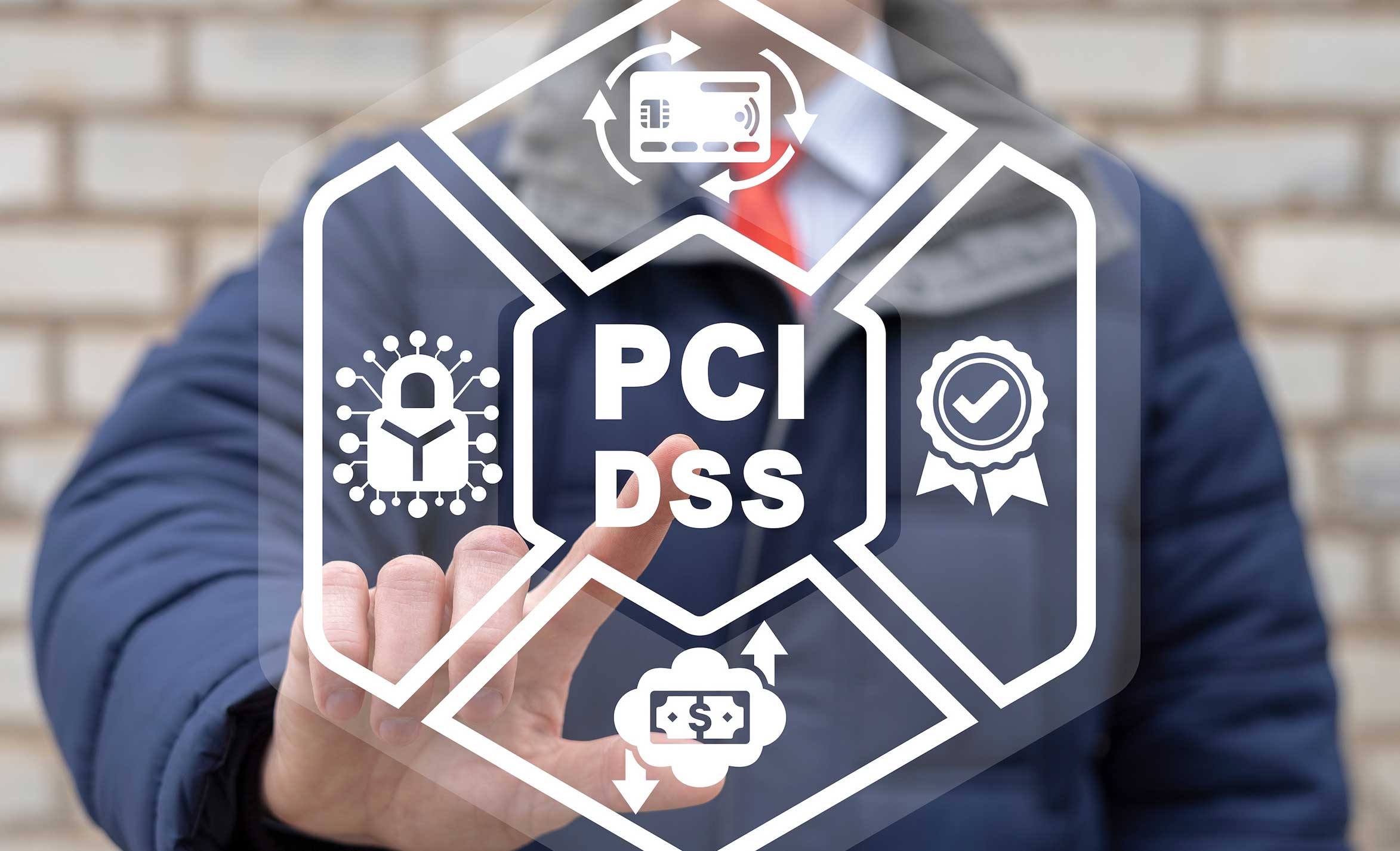
Maintaining the security of payment data has become an essential aspect of healthcare organizations’ operational integrity, especially as digital transactions become increasingly prevalent. Ensuring compliance with established security standards not only protects sensitive patient information but also fortifies trust and safeguards organizational reputation. This article explores the significance of Payment Card Industry Data Security Standard (PCI DSS) compliance within healthcare settings, emphasizing best practices for safeguarding financial transactions and sensitive data.
Healthcare providers handle a vast array of confidential information, ranging from personal health records to financial details. With the rise of credit card payments for services, it is imperative that healthcare organizations adhere to PCI DSS requirements to create a secure environment for processing, storing, and transmitting payment data. These standards are designed to prevent data breaches and reduce the risk of cyberattacks, ultimately ensuring the confidentiality, integrity, and accessibility of critical information. Additionally, data privacy is a crucial component of overall patient safety; organizations must implement robust security measures to prevent unauthorized access and potential misuse of personal information, a topic thoroughly covered in resources on protecting patients and what data privacy entails in healthcare.
PCI DSS compliance involves a comprehensive set of guidelines that organizations must follow, including maintaining secure networks, safeguarding cardholder data, establishing vulnerability management protocols, enforcing strong access controls, conducting regular network testing, and developing formal security policies. Healthcare organizations often face complex environments where multiple vendors and systems interact, making consistent compliance challenging yet essential. Validating compliance typically involves self-assessment questionnaires, but partnering with a qualified security assessor (QSA) and obtaining a Report on Compliance (ROC) can provide a higher assurance level, aligning with best practices in cybersecurity.
Working with PCI DSS-compliant vendors offers numerous benefits, including enhanced data security, reduced risk of breaches, and lower operational costs. Non-compliance can lead to substantial fines, increased transaction fees, and severe damage to patient trust due to data breaches. Strong security protocols also support compliance with other regulations such as HIPAA, often overlapping with PCI DSS requirements, which helps organizations exceed minimum standards and improve overall data protection strategies. For insights into the future landscape of healthcare technology, including how artificial intelligence is shaping the industry, see predictions and trends about the future of AI in healthcare.
Interesting:
Moreover, implementing rigorous security measures for financial and personal data helps prevent costly breaches, which on average cost healthcare organizations over $10 million. Protecting sensitive information is not only a legal obligation but also a strategic move to maintain patient confidence and organizational reputation. Areas such as patient intake, registration, billing, and assistance are critical points where PCI DSS standards must be enforced to prevent vulnerabilities.
In addition to security protocols, leveraging advanced data analytics tools can unlock valuable insights that improve patient outcomes and operational efficiency. Exploring how big data analytics can transform healthcare delivery is essential for organizations aiming to stay ahead in a rapidly evolving landscape. To learn more about this technological revolution, visit understanding big data analytics in healthcare. Similarly, innovations like extended reality (XR) applications are bridging gaps in medical training and patient care, exemplified by companies like Servreality, which is making strides in revolutionizing modern medicine through XR.
In conclusion, PCI DSS compliance plays a vital role in securing financial transactions, protecting patient data, and maintaining legal and ethical standards within healthcare. Organizations must evaluate all touchpoints where payment information is processed—whether in billing, patient assistance, or onboarding—and ensure these areas meet the latest security standards. Prioritizing compliance and security not only reduces the risk of costly breaches but also reinforces trust with patients, ultimately contributing to better healthcare outcomes and organizational resilience.