


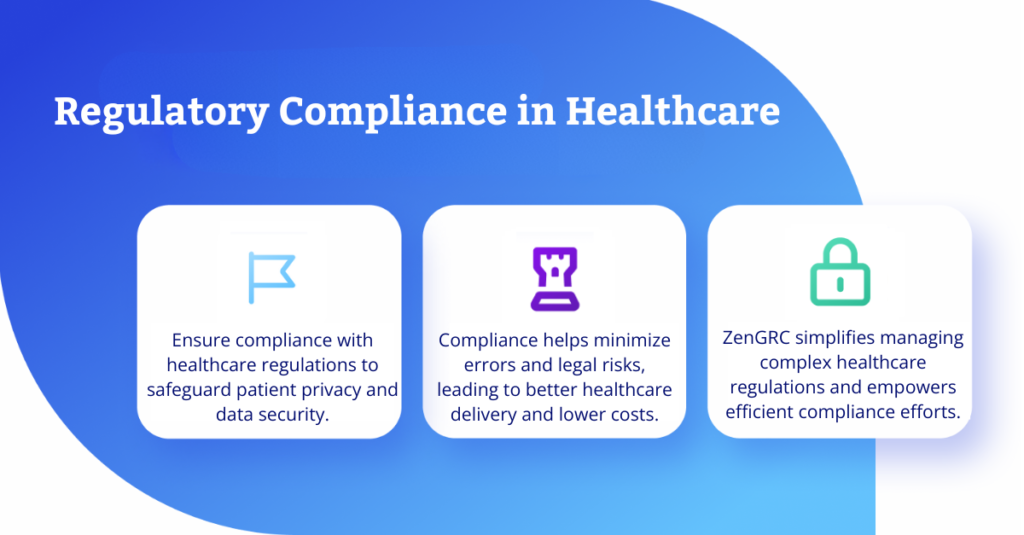
Healthcare providers face an ongoing challenge: navigating an ever-expanding landscape of regulations designed to safeguard patient well-being, protect sensitive data, and promote ethical practices. Despite the significant financial and administrative burdens associated with compliance—estimated at nearly $39 billion annually—adhering to these standards is essential for delivering high-quality care and maintaining trust. As the industry evolves, understanding the core principles of regulatory requirements and implementing effective compliance strategies become crucial for healthcare organizations aiming to stay ahead of legal mandates and safeguard their reputation.
What Does ‘Regulatory Compliance’ Mean?
Regulatory compliance in healthcare refers to the systematic processes and protocols that organizations implement to meet all relevant laws, regulations, and contractual obligations governing their operations. This includes adherence to federal and state legislation, industry standards, and internal policies designed to ensure safety, privacy, and ethical standards are upheld across all levels of service delivery. While some healthcare entities might view compliance requirements as obstacles, establishing a comprehensive and proactive compliance program can ultimately serve as a competitive advantage, fostering trust with patients and regulators alike.
What Is Regulatory Compliance in Healthcare?
In the context of healthcare, compliance obligations span a wide range of practices critical to patient safety, data privacy, and financial integrity. Primarily, these focus on protecting patient information, ensuring accurate billing, and complying with government reimbursement policies. A fundamental aspect of healthcare compliance is the commitment to providing safe, effective, and ethical patient care. As electronic health records (EHRs) become standard, safeguarding sensitive health data has gained even greater importance. Failing to meet data protection obligations can lead to hefty penalties, as demonstrated by the Department of Health & Human Services, which as of August 2021, had levied over $135 million in fines in more than 100 cases. Effectively understanding and fulfilling these compliance duties not only prevents substantial fines but also preserves patient trust and organizational integrity. For additional insights on leveraging data analytics in healthcare, explore this resource.
What are the three main areas of healthcare compliance?
The foundation of effective healthcare compliance rests on three critical pillars, each integral to ensuring the delivery of safe, ethical, and high-quality care:
- Patient Safety: This pillar emphasizes preventing medical errors, controlling infections, and protecting patients from harm during their treatment journey. Implementing protocols for infection control and error reduction is central to maintaining safety standards.
- Patient Privacy and Data Security: Protecting sensitive health information is paramount. Compliance involves strict adherence to laws such as HIPAA, ensuring that patient data remains confidential and secure from breaches. With the rise of digital health records, data security measures are more vital than ever.
- Billing and Coding Compliance: Accurate and ethical billing practices are essential to prevent fraud and abuse. Proper coding ensures that reimbursements are correct and compliant with regulations, reducing the risk of legal penalties and financial losses.
Regulatory Requirements for Healthcare Organizations
Healthcare is among the most regulated industries, with numerous laws designed to uphold standards and protect public health. Here are five key regulations shaping compliance efforts:
1. Health Insurance Portability and Accountability Act (HIPAA)
HIPAA establishes rules to safeguard health information across electronic, paper, and oral formats. The Privacy Rule grants patients rights to access their Protected Health Information (PHI) and mandates transparency regarding data use. Security measures must evolve to address emerging threats, ensuring that medical records remain protected in a digital age. For more details on managing health data, see this guide.
2. Anti-Kickback Statute and Stark Law
These laws are designed to prevent financial incentives from improperly influencing medical decision-making. They prohibit healthcare providers from accepting or offering kickbacks and from making referrals based on financial relationships that could lead to unnecessary procedures or inflated costs, thereby reducing fraud and ensuring patient care is based solely on medical necessity.
3. Patient Safety and Quality Improvement Act (PSQIA)
The PSQIA promotes a culture of safety by establishing Patient Safety Organizations (PSOs) that collect and analyze data on adverse events without fear of legal repercussions. This enables healthcare providers to identify risks and implement measures to enhance care quality while protecting sensitive safety data from litigation.
Interesting:
- Ensuring data security and compliance in healthcare payments
- Ensuring data privacy the critical role of hipaa compliance in healthcare
- Ensuring pci compliance in healthcare strategies for success
- Understanding pci compliance in healthcare protecting patient data and ensuring security
- Ensuring credit card security in healthcare through pci dss certification
4. The Health Information Technology for Economic and Clinical Health (HITECH) Act
The HITECH Act encourages the adoption of electronic health records (EHRs) and strengthens cybersecurity protocols. It complements HIPAA by promoting efficient health data management and safeguarding information against cyber threats. This legislation has been pivotal in modernizing healthcare data systems, making information exchange more seamless and secure.
5. Affordable Care Act (ACA)
The ACA broadens healthcare coverage and introduces reforms to improve care quality and affordability. It established the Health Insurance Marketplace and prohibits insurers from denying coverage due to pre-existing conditions. These measures aim to expand access and foster equitable healthcare delivery.
Common Challenges in Regulatory Compliance in Healthcare
Achieving and maintaining compliance remains a complex task, often hindered by several challenges:
Ever-Changing Regulations
Healthcare regulations are dynamic, with updates occurring frequently at both federal and state levels. Staying current requires continuous education and adaptation. For example, recent initiatives like the CMS Interoperability and Patient Access Rule aim to improve patient data sharing, necessitating technological and procedural updates across providers. To understand how data analytics can aid in compliance, visit this article.
HIPAA & Data Breaches
The increasing prevalence of cyberattacks underscores the importance of robust data security measures. State-specific laws add layers of complexity in breach notification and penalty enforcement, making comprehensive security strategies essential. Protecting patient information is not only a regulatory requirement but also vital for maintaining trust.
Interoperability and Data Exchange
Efficient sharing of health information among disparate systems remains a persistent hurdle. Legislation like the 21st Century Cures Act and the ONC’s Information Blocking Rule advocate for open data exchange, urging healthcare entities to adopt compatible technologies. Achieving interoperability enhances care coordination but requires careful compliance management.
False Claims & Whistleblower Suits
The fight against healthcare fraud involves strict enforcement of laws such as the False Claims Act. Recent legislative changes have empowered whistleblowers, increasing the likelihood of uncovering fraudulent activities like submitting false billing or unnecessary procedures. Healthcare organizations must prioritize transparency and compliance to avoid legal repercussions.
Make Compliance Part of Your DNA With ZenGRC
At ZenGRC, we recognize that building a comprehensive compliance program is essential for delivering exceptional patient care and maintaining regulatory adherence. Our platform simplifies managing complex compliance requirements, helping organizations stay organized and proactive. If managing health information through spreadsheets feels overwhelming, ZenGRC offers a streamlined solution. Schedule a demo today, and discover how our tool can help you establish a resilient compliance framework, foster transparency, and advance your healthcare objectives.