


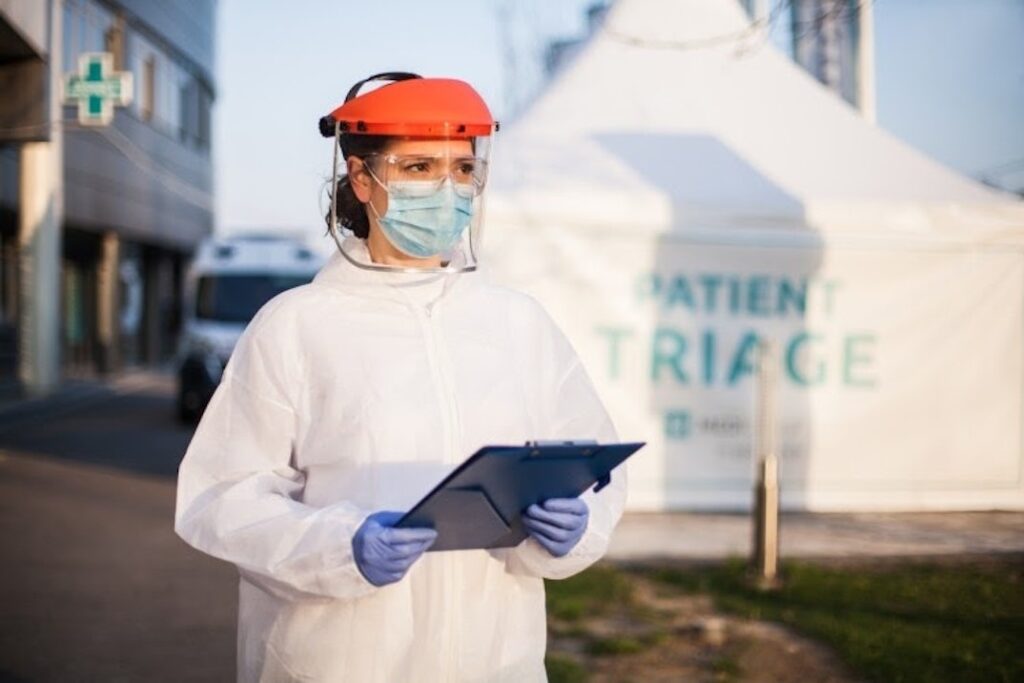
The COVID-19 pandemic has highlighted the urgent need for innovative healthcare delivery methods that can reach vulnerable populations and bridge gaps in medical services. Mobile health clinics have emerged as a vital component in expanding healthcare access, especially for underserved communities such as those in rural areas, low-income neighborhoods, and populations facing social or economic barriers. These clinics operate flexibly and responsively, bringing essential health services directly into communities that might otherwise lack adequate care. Understanding how mobile clinics function and their impact can shed light on their crucial role in promoting health equity and improving overall health outcomes.
Mobile Health Clinics: The Essentials
Despite ongoing efforts to improve the accessibility and quality of health care in the United States, significant disparities persist. Rising healthcare costs, high rates of chronic illnesses, and systemic inequities continue to hinder equitable access, particularly among marginalized groups like racial and ethnic minorities, low-income populations, and residents of remote areas. To address these issues, healthcare providers must find innovative ways to deliver affordable, culturally sensitive, and accessible services.
Mobile health clinics serve as a strategic solution by bringing healthcare directly to communities in need. These clinics can take various forms—such as buses, vans, RVs, or trailers—that operate independently or as extensions of existing healthcare facilities. They deliver a broad spectrum of services, ranging from urgent care and primary health consultations to preventive screenings and chronic disease management, directly in neighborhoods where residents face barriers to traditional healthcare access.
Benefits of Mobile Healthcare Units
Mobile clinics offer numerous advantages that significantly improve community health outcomes and reduce costs for both patients and providers. They make healthcare services more affordable, accessible, and tailored to the needs of specific populations.
Cost Efficiency and Economic Impact
Mobile health initiatives are remarkably cost-effective. According to Mobile Health Map, every dollar invested in mobile clinics can generate up to twelve dollars in savings, illustrating a strong return on investment. These clinics help reduce emergency room visits by providing routine and preventive care, which often prevents conditions from worsening to the point of requiring emergency interventions. On average, each mobile clinic can prevent approximately 600 emergency visits annually, resulting in substantial savings—often around 20% of the costs associated with emergency care.
Furthermore, mobile clinics facilitate early detection and prevention, helping individuals maintain better health over time. They are able to deliver screening and health education services that reduce the need for more extensive, costly treatments later. This approach can save an average of 65 quality-adjusted life years annually per clinic—a common metric used to measure health benefits in healthcare studies.
Enhancing Accessibility and Community Engagement
Because of their mobility, these clinics can adapt to specific community needs, providing flexible and responsive care tailored to local populations. They are particularly effective in reaching marginalized groups, including the uninsured, homeless, and rural residents. For instance, a self-report by 291 mobile health clinics revealed that over half targeted uninsured patients, and many specifically served low-income, homeless, or rural populations.
In rural areas, mobile clinics are especially vital. The World Health Organization employs mobile teams that operate via bikes, boats, or foot in crisis zones, demonstrating the adaptability of mobile healthcare delivery globally. Similarly, in the U.S., clinics often remain stationed in a region for extended periods, adjusting their services to community demands. Mobile clinics also connect patients with broader community resources, collaborating with local health centers, churches, and social service agencies to provide comprehensive care.
Range of Services Offered by Mobile Clinics
These clinics provide a diverse array of health services essential for addressing community needs:
Interesting:
- Urgent and primary care
- Preventive health screenings
- Management of chronic illnesses
- Behavioral health support
- Dental and oral health services
- Prenatal and maternal care
- Pediatric health services
According to research, nearly half of mobile clinics offer preventive screenings, while a significant portion provides primary and dental care. Many also expand their services to include specialty care such as mammography, mental health counseling, and ophthalmology, making healthcare more affordable and accessible for underserved populations. These services serve as a critical bridge, especially when traditional healthcare settings are inaccessible or overwhelmed.
Mobile Clinics and the COVID-19 Pandemic
The pandemic has tested healthcare systems worldwide, exposing gaps that mobile clinics have been uniquely positioned to fill. In the United States, roughly 2,000 mobile clinics serve about 7 million at-risk individuals annually. Their ability to reach displaced, isolated, or vulnerable populations has been crucial during COVID-19, especially as hospitals and clinics faced capacity constraints.
During the pandemic, many clinics shifted focus toward testing, triage, and community education. For instance, some mobile units now conduct drive-through COVID-19 testing or outdoor testing to ensure safety. Telehealth services have also become integral, with many clinics offering phone consultations, remote monitoring, and health education to continue serving their communities effectively. Notably, mobile clinics have also played a role in informing the public about COVID-19 prevention and vaccination strategies, helping to combat misinformation and increase health literacy.
In some regions, delivering care via mobile units proved more cost-efficient than traditional hospital-based services, especially for low-income populations who often delay seeking care due to costs. This flexibility underscores the importance of mobile clinics as part of a resilient healthcare infrastructure.
Starting and Supporting Mobile Healthcare Initiatives
Despite their clear benefits, mobile health programs often face funding challenges. They tend to rely heavily on philanthropy and grants, which can limit scalability and sustainability. Advocates argue that policymakers should explore alternative funding mechanisms beyond grant dependence to expand mobile services and integrate them more fully into the healthcare system.
For healthcare professionals interested in establishing a mobile clinic, key steps include conducting thorough community needs assessments, designing services to meet targeted populations, and maintaining operational flexibility to respond to changing health landscapes—such as during a pandemic. Advocacy efforts are also vital; raising awareness about the value of mobile healthcare can lead to increased public and governmental support, enabling broader funding and program expansion. For more detailed strategies, exploring resources on data privacy in healthcare and emerging trends in AI and big data analytics can be beneficial, such as at protecting patient data and future AI developments.
Moving Healthcare Forward with Mobile Solutions
As healthcare continues to evolve, mobile clinics will remain a critical tool in achieving health equity and improving community health outcomes. Innovative technologies, including extended reality (XR), are beginning to revolutionize how mobile clinics deliver care. For example, platforms that bridge the gap with XR technology are transforming medical training and patient education, making healthcare more engaging and effective, as discussed in how XR is changing modern medicine.
Investing in mobile healthcare infrastructure and integrating advanced data analytics can further enhance their impact. Continuous innovation and advocacy are essential to ensure these clinics can serve as sustainable, adaptable solutions to meet the healthcare challenges of today and tomorrow.