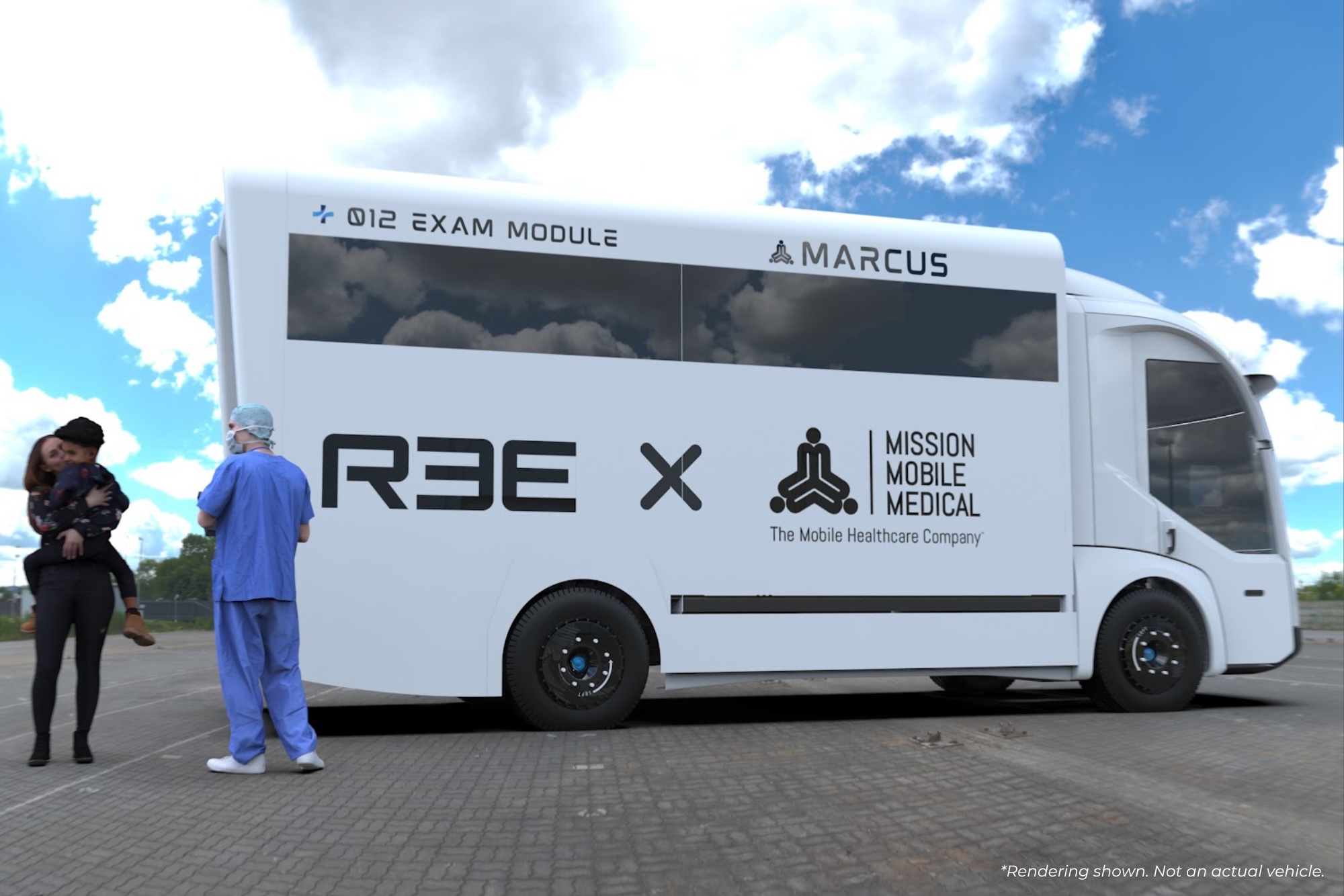
Rural communities often encounter substantial obstacles when seeking healthcare, from limited local clinics to the scarcity of specialized medical professionals. These challenges are compounded by natural disasters and severe weather events, which can knock out healthcare infrastructure when residents need it most. Recent experiences in western North Carolina highlight the critical role that mobile medical services can play in bridging these gaps and providing necessary care directly to underserved populations.
In the aftermath of Hurricane Helene, many rural health facilities in the region were rendered inoperable, prompting emergency responses that included deploying mobile clinics to affected areas. Such efforts demonstrated the potential of portable healthcare solutions to reach communities cut off from traditional medical centers. Recognizing this need, initiatives are underway to expand these services, with significant federal backing.
Mission Mobile Medical Group, headquartered in Greensboro, announced in February that it secured up to $26 million in federal funding through the Platform Accelerating Rural Access to Distributed and Integrated Medical Care (PARADIGM) program. This funding aims to develop innovative mobile clinics designed specifically for rural health systems. These mobile “medical suites” are self-sufficient clinical units equipped with advanced diagnostic tools, enabling them to deliver hospital-level care in remote areas. The overarching goal is to extend comprehensive health services to communities nationwide, reducing the necessity for long-distance travel to distant hospitals and clinics.
“Only 12 percent of physicians choose to practice in rural areas,” explains Travis LeFever, CEO of Mission Mobile Group. “This limited access to healthcare and emergency services creates barriers that disproportionately affect families, especially children. It raises critical questions about our priorities and policies in health care delivery.” Mobile clinics can address these issues by bringing essential services directly to residents, especially in areas where establishing permanent facilities is impractical. They are particularly vital for populations like migrant workers or fishing communities, who often live in geographically isolated locations.
This initiative is supported by the Biden-era Advanced Research Projects Agency for Health (ARPA-H), which funds innovative health technologies. Despite political shifts that have frozen or canceled numerous federal programs, the funding allocated to Mission Mobile remains unaffected, indicating a sustained commitment to advancing rural healthcare solutions.
Delivering Assistance in Remote and Disaster-Affected Areas
Though mobile clinics are not a new concept, their role has become increasingly crucial amid the rise of natural disasters and persistent shortages of healthcare providers in rural regions. These mobile units serve as flexible, rapidly deployable resources that can provide essential services when traditional clinics are inaccessible or overwhelmed.
Staffing remains a persistent challenge in rural healthcare. Lyn Jenkins, executive director of the Community Care Clinic of Dare in Nags Head, North Carolina, notes, “In many rural settings, there are fewer healthcare providers and specialists. For example, three counties in eastern North Carolina lack a practicing dentist entirely.” Such shortages force residents to travel considerable distances for care, which can be costly and time-consuming.
Transportation barriers are particularly pronounced in the Outer Banks, where residents often struggle to reach distant healthcare hubs like Virginia or Greenville. Jenkins emphasizes, “We see many patients facing difficulties in traveling for specialist care, exacerbating health disparities in our small rural communities.” According to James Werner of the North Carolina Department of Health and Human Services, the state hosts 96 rural health clinics, serving over 3 million residents—roughly one-third of the population—making rural health access a significant concern. Nationwide, over 60 million Americans reside in rural areas experiencing shrinking hospital availability, with closures increasing between 2013 and 2020. This has led to patients traveling an extra 20 miles for routine care and 40 miles for specialized treatments on average.
Interesting:
Leveraging Technology for Rural Healthcare
The new generation of mobile clinics will be powered by MARCUS—Mobile Access to Revolutionary Care Connecting US—a customizable system that outfits each mobile unit with equipment tailored to the specific health needs of its community. This technological adaptability ensures that services can be expanded or refined as required.
Mission Mobile’s plan involves equipping these units to provide a broad range of healthcare services comparable to traditional clinics. According to Emily D’Agostino, a Duke University School of Medicine associate professor leading the project, “The goal is to develop the next generation of mobile clinics through collaborative efforts, transforming how healthcare access and delivery are approached in rural areas.” These mobile units aim to address the higher prevalence of chronic conditions—such as heart disease, cancer, and respiratory illnesses—among rural populations, many of whom are underinsured or uninsured. Transportation barriers further complicate access, making mobile clinics an essential tool in bridging these gaps.
Expanding Coverage and Collaboration Opportunities
Jenkins envisions opportunities for rural clinics to utilize mobile units more effectively by sharing resources. “On certain days, we could dispatch the van to reach remote areas or communities with many day laborers who cannot leave their jobs to visit clinics,” she explains. This flexible approach could significantly improve healthcare accessibility for mobile or hard-to-reach populations.
Werner from NC DHHS believes that mobile medical units are a promising solution to meet patients where they are and reduce transportation challenges. “While our primary focus has been on primary care and dental services, the adaptable design of these units allows for the addition of specialized services as needed,” he states. However, some health advocates remain cautious, emphasizing the importance of evaluating the long-term sustainability of such initiatives. Nathan Baugh, executive director of the National Association of Rural Health Clinics, notes, “Expanding access is a positive step, but we’ve seen similar projects come and go. Ongoing support and funding are critical.”
While the exact costs of these mobile units are still being finalized, Mission Mobile provides information on applying for grants to support their deployment. The ARPA-H program supports a shared-service model that allows rural hospitals and clinics to access mobile equipment without purchasing it outright. The first modular units are expected to be operational by mid-2025, with a full national rollout targeted for 2027.
This innovative approach exemplifies how rural healthcare is evolving to meet the needs of underserved populations, leveraging technology and flexible service models. As these mobile clinics become more widespread, they hold the promise of transforming healthcare access in North Carolina and beyond.
This article originally appeared on North Carolina Health News and is republished here under a Creative Commons license.