


Enhancing the patient experience has become a central focus for healthcare providers seeking to deliver high-quality care and improve overall organizational performance. As healthcare systems evolve and shift toward value-based models, understanding how to effectively measure and improve patient interactions is more critical than ever. Recognizing that patient satisfaction alone does not fully capture quality, organizations are encouraged to adopt a balanced approach—using patient experience metrics as guiding indicators rather than sole drivers of outcomes. This perspective aligns with broader industry frameworks, such as the IHI Triple Aim, which emphasizes the importance of holistic care, population health, and cost reduction.
Healthcare organizations are increasingly leveraging analytics and innovative technologies to gather meaningful insights into patient perceptions, enabling targeted improvements. At the same time, fostering staff engagement and evaluating entire care teams—not just individual providers—are essential strategies for cultivating a patient-centered environment. These comprehensive efforts not only improve satisfaction scores but also serve as critical indicators of a healthcare system’s overall health and quality. This article explores five industry-backed recommendations that can significantly enhance patient care experiences and drive better clinical and operational results.
The Role of Patient Satisfaction in Modern Healthcare
The integration of patient experience into performance evaluation has gained momentum, particularly with the adoption of standardized surveys like the Hospital Consumer Assessment of Healthcare Providers and Systems (HCAHPS). Developed by CMS and the Agency for Healthcare Research & Quality (AHRQ), this survey allows objective comparisons across hospitals and influences reimbursement, making it a vital component of the transition to value-based care. The data collected helps providers identify gaps, develop quality improvement initiatives, and ensure that care delivery does not inadvertently diminish the patient experience.
While some debate exists about the direct impact of patient satisfaction on clinical outcomes, research suggests a nuanced relationship. For example, better patient experiences—when measured accurately—often correlate with improved health results, especially when care is well-coordinated and patient engagement is prioritized. For comprehensive insights into how the healthcare system functions and how it can be optimized, resources such as a detailed guide on how the US healthcare system operates can be invaluable.
Connecting Patient Experience to Quality Outcomes
Regulatory bodies increasingly recognize the significance of patient perceptions, requiring organizations to report satisfaction metrics to qualify for reimbursement. Despite some skepticism—rooted in concerns about the credibility of patient feedback—surveys like HCAHPS serve as vital tools for quality improvement. They provide a window into how patients perceive communication, responsiveness, environment, pain management, and discharge processes. As populations change, so too must survey methods, incorporating technological advancements to gather accurate, actionable data.
Research also indicates that patient experience measures function as indicators of overall care quality. While some studies show no correlation, others demonstrate that positive patient perceptions often align with better clinical outcomes, especially when they reflect effective care coordination and communication. The debate underscores the importance of developing robust measurement and data collection methods—an area where healthcare analytics play a crucial role.
Five Proven Approaches to Improving Patient Care
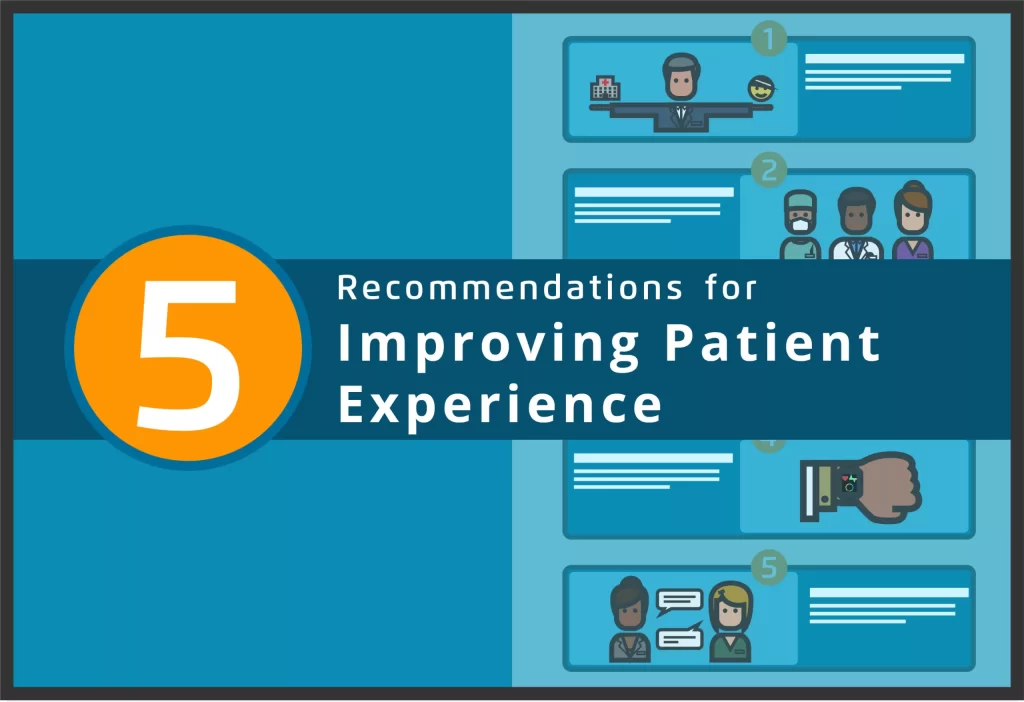
Although definitions of the patient experience vary, a consistent message emerges: improving the quality of patient interactions enhances overall care. Healthcare systems possess the motivation, incentives, and tools to effect meaningful change, but targeted strategies are necessary. The following five recommendations are grounded in industry best practices and evidence-based research, providing a comprehensive roadmap for elevating patient satisfaction and outcomes.
1. Use Patient Satisfaction as a Balance Measure—Not a Primary Outcome Driver
While it might seem intuitive that better experiences lead directly to better outcomes, this isn’t always the case. Patients may report high satisfaction even if their health outcomes are poor, and vice versa. Therefore, organizations should treat satisfaction scores as a balance measure—a metric that ensures improvements in clinical outcomes do not negatively impact the patient experience. For instance, efforts to reduce hospital length of stay (LOS) must consider patient perceptions of care quality; rushing discharges can harm satisfaction, even if LOS metrics improve. Incorporating satisfaction as a balance ensures a holistic view of quality, helping healthcare leaders make informed decisions that benefit both clinical results and patient perceptions. For further insights into healthcare financing models, see an overview of single-payer systems.
Interesting:
2. Evaluate Entire Care Teams, Not Just Individual Providers
Effective patient experience measurement captures the comprehensive care environment, not just isolated provider interactions. Negative feedback often results from issues with team communication or coordination rather than individual clinician performance. Surveys should gauge the collective performance of the entire care team—nurses, doctors, technicians, and support staff—by asking questions like, “How well did your entire care team work together?” or “Did the staff communicate effectively across disciplines?” As highlighted in a comprehensive guide on how the US healthcare system functions, team-based care is fundamental to quality. Emphasizing team evaluation enhances credibility and provides a more accurate picture of systemic strengths and weaknesses.
3. Utilize Healthcare Analytics to Extract Actionable Insights
Data-driven decision-making is essential for meaningful improvements. Modern healthcare analytics tools allow organizations to interpret patient feedback in the context of clinical outcomes and operational metrics. For example, platforms like the Patient Experience Explorer Application help visualize relationships between patient satisfaction, readmission rates, and workflow efficiencies. Integrating satisfaction data into enterprise data warehouses facilitates ongoing monitoring and rapid response to emerging issues. Texas Children’s Hospital, for example, uses such analytics to align patient satisfaction with postoperative care and radiology wait times, ensuring continuous quality enhancement.
4. Embrace Cutting-Edge Technology to Enrich Patient Interactions
Technological innovations are transforming how care is delivered and experienced. From interactive bedside systems that provide personalized information to real-time feedback devices that alert staff immediately, technology can streamline communication and reduce stress. Smart rooms, digital wayfinding tools, and virtual education platforms empower patients, making their hospital stay more comfortable and engaging. These tools not only improve satisfaction scores but also contribute to better health outcomes by facilitating clearer understanding and adherence to treatment plans.
5. Boost Employee Engagement to Foster a Patient-Centered Culture
Engaged staff are the backbone of a positive patient experience. Research shows that even a modest increase in employee engagement correlates with higher patient satisfaction scores and a greater likelihood of positive word-of-mouth recommendations. Healthcare organizations are increasingly appointing Chief Patient Experience Officers to champion initiatives that promote staff involvement, training, and a culture aligned with the Triple Aim. When employees feel valued and invested, their interactions with patients naturally improve, leading to a more compassionate and effective healthcare environment.
Patient Experience as a Reflection of Organizational Health
The patient experience is no longer viewed solely as a regulatory requirement; it is a vital indicator of a healthcare system’s overall health and capacity for continuous improvement. Every touchpoint, from front desk staff to clinical teams and facility infrastructure, influences perceptions and outcomes. As the industry advances, validated survey tools and sophisticated analytics empower organizations to better understand and enhance this complex variable.
Implementing these five strategic recommendations—using satisfaction as a balancing metric, evaluating team performance, harnessing analytics, adopting innovative technology, and engaging staff—can help healthcare providers deliver superior patient experiences. Recognizing that patient satisfaction is intertwined with quality of care ensures that efforts lead to sustainable improvements, stronger organizational reputation, and better health outcomes.
Would you like to explore more about reforming healthcare models? Consider reviewing a detailed guide on how the US healthcare system functions.