


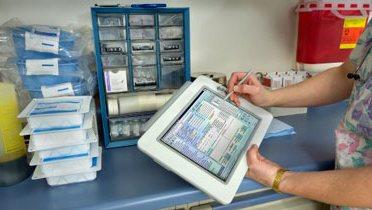
The rapid advancement of mobile device technology is fundamentally transforming the healthcare landscape, offering new opportunities for improved patient care, enhanced accessibility, and streamlined medical processes. As smartphones and tablets become more powerful and widespread, they serve not only as communication tools but also as vital instruments for health management, diagnostics, and data collection. This shift is reshaping traditional healthcare models, enabling more personalized and timely interventions, and bridging gaps in access for underserved populations.
The Role of Mobile Devices in Modern Healthcare
Mobile devices have become integral to contemporary healthcare systems, facilitating everything from remote consultations to real-time health monitoring. With the proliferation of health apps and wearable devices, patients can now track vital signs, manage chronic conditions, and receive medication reminders with unprecedented ease. These tools foster greater patient engagement and empower individuals to take control of their health outside clinical settings. Healthcare providers, in turn, benefit from mobile technology by gaining access to continuous patient data, allowing for more accurate diagnoses and personalized treatment plans.
In addition to individual benefits, mobile health solutions are instrumental in public health initiatives, such as tracking disease outbreaks, disseminating health information, and conducting large-scale surveys efficiently. The integration of mobile technology into healthcare workflows also streamlines administrative tasks, reduces costs, and enhances communication among medical teams.
Challenges and Opportunities in Mobile Healthcare Adoption
Despite the promising potential of mobile devices, there are significant challenges to widespread adoption. Concerns around data security and patient privacy remain paramount, necessitating robust safeguards to prevent breaches and ensure compliance with regulations like HIPAA. Additionally, disparities in digital literacy and access can hinder the equitable distribution of mobile health benefits, especially among vulnerable populations in rural or low-income areas.
Interesting:
However, these obstacles also present opportunities for innovation. Developing user-friendly interfaces, expanding broadband access, and implementing strict security protocols can address many barriers. Governments and private organizations are increasingly investing in digital health infrastructure, recognizing the importance of mobile technology in achieving broader healthcare goals.
The Future of Mobile-Driven Healthcare
Looking ahead, mobile devices are poised to play an even more prominent role in healthcare through advancements in virtual reality, artificial intelligence, and data analytics. For example, the intersection of sports and virtual reality is transforming physical therapy and athletic training, offering immersive and engaging rehabilitation experiences. This technology not only enhances patient motivation but also provides precise metrics for progress assessment.
Furthermore, as healthcare systems evolve, understanding how different models operate becomes crucial. For instance, exploring the structure of single-payer systems can offer insights into how mobile health initiatives are financed and regulated across various countries. To learn more about these models, visit a comprehensive guide on how the US healthcare system works.
The integration of mobile health solutions with broader healthcare reforms promises a future where care is more accessible, efficient, and patient-centered. As technology continues to advance, stakeholders must prioritize security, equity, and innovation to maximize the benefits of this digital transformation.