


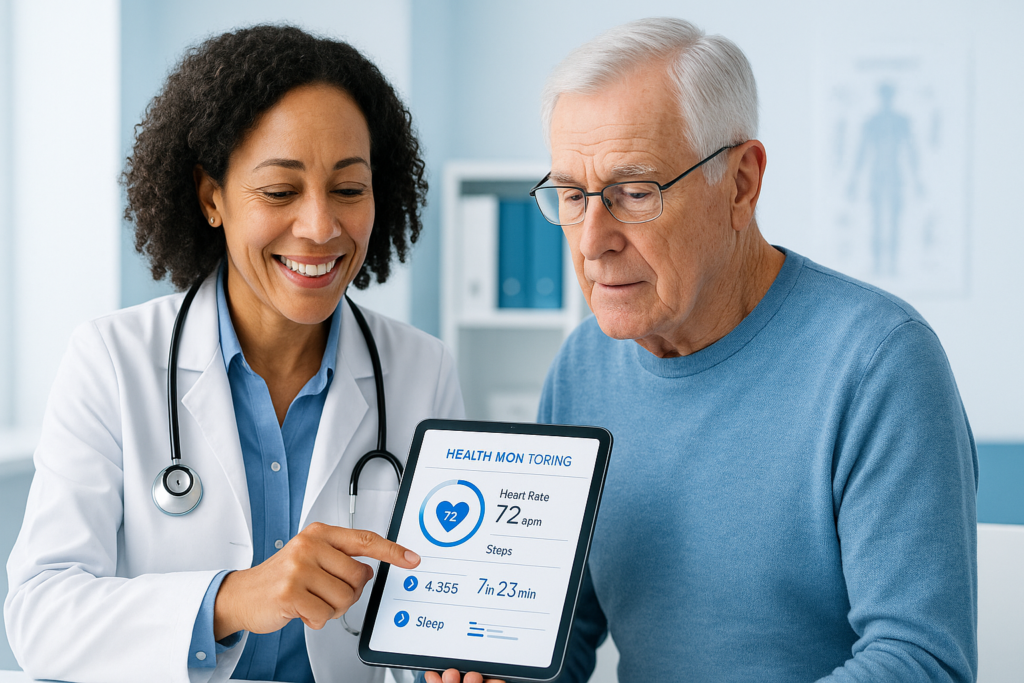
The rapid advancement of mobile technology is revolutionizing the healthcare industry, fundamentally changing how providers deliver care and how patients engage with their health. Today’s digital landscape offers unprecedented opportunities for making healthcare more accessible, personalized, and efficient. From smartphones and wearables to sophisticated apps, mobile tools are breaking down traditional barriers and paving the way for a more connected healthcare system. This comprehensive overview highlights the diverse applications, benefits, and future potential of mobile health innovations, emphasizing their critical role in modern medicine.
The integration of mobile solutions into healthcare, often termed mHealth, signifies a shift from reactive treatment to proactive, participatory care. Patients are increasingly empowered to manage their health actively, using mobile devices to track symptoms, access medical information, and communicate directly with healthcare providers. Simultaneously, clinicians benefit from tools that streamline workflows, enhance diagnostic accuracy, and facilitate better collaboration. As this synergy grows, the future of healthcare is becoming more interconnected, efficient, and patient-centered.
This article not only explores foundational concepts such as what mobile health technology entails but also delves into current applications, tangible benefits, and emerging trends that will continue to shape the industry. Whether you’re a healthcare professional, patient, or simply curious about innovations in medicine, understanding the profound influence of mobile technology is essential for navigating the evolving landscape.
What Is Mobile Health Technology?
Mobile health (mHealth) refers to the deployment of mobile devices—such as smartphones, tablets, and wearable sensors—to support and enhance healthcare practices. This broad field encompasses various applications, from apps that help manage chronic illnesses to platforms facilitating secure communication between patients and providers. The core purpose of mobile health technology is to leverage the widespread availability of mobile devices to deliver healthcare information and services more effectively and efficiently.
The scope of mHealth continues to expand rapidly. It includes simple measures like SMS appointment reminders and sophisticated remote monitoring systems that track vital signs in real-time. These innovations empower patients to access their health data conveniently, enabling them to participate actively in their care. For clinicians, mobile solutions provide access to comprehensive patient records and real-time data, regardless of location, thus extending quality care beyond traditional clinical settings. The proliferation of mobile devices in healthcare is transforming the industry, breaking down physical barriers and extending care into the home environment.
Transforming Patient Care: The Role of Mobile Devices in Healthcare
The deployment of mobile devices in healthcare impacts nearly every stage of the patient journey. Patients now utilize these tools to monitor their health, access information, and stay connected with their care teams. Health and wellness applications allow users to track physical activity, dietary intake, and manage chronic conditions such as diabetes or hypertension effectively.
Healthcare professionals also rely heavily on mobile devices to enhance service delivery. Tablets and smartphones provide instant access to electronic health records (EHRs) at the bedside, ensuring that clinicians have the most current patient information. Secure messaging platforms facilitate real-time communication among care team members, leading to better coordination and faster decision-making. Moreover, mobile devices support clinical decision-making by providing instant access to the latest medical research, guidelines, and treatment protocols.
1. Revolutionizing Remote Patient Monitoring (RPM)
Remote Patient Monitoring (RPM) has become one of the most impactful applications of mobile health. Using connected devices like blood pressure cuffs, glucose meters, and wearable sensors, healthcare providers can continuously monitor patient health from a distance. This approach is especially beneficial for managing chronic diseases, as it allows ongoing tracking of vital signs and other health metrics without frequent hospital visits.
RPM promotes patient engagement by enabling individuals to take charge of their health while supplying clinicians with valuable data for informed decision-making. Early detection of potential issues through constant monitoring can prevent complications, reduce hospital admissions, and improve overall health outcomes. The convenience of remote monitoring from the comfort of home significantly enhances patient satisfaction and adherence to treatment plans.
The Telehealth Boom: Virtual Care Powered by Mobile Technology
The COVID-19 pandemic accelerated the adoption of telehealth services, with mobile technology leading the charge. Video conferencing applications and dedicated telehealth platforms have made virtual consultations commonplace, providing a lifeline for patients in rural or underserved areas and those with mobility challenges.
Telehealth offers unmatched convenience—patients can consult with healthcare providers, receive prescriptions, and follow up on treatments without leaving their homes. This reduces travel time, lowers costs, and minimizes exposure to infectious agents. As mobile device penetration and internet connectivity improve globally, telehealth is poised to become an even more integral part of the healthcare delivery model, expanding access and improving outcomes.
Enhancing Communication and Collaboration Among Healthcare Professionals
Effective communication is essential for delivering safe and efficient care. Mobile devices have transformed how healthcare teams coordinate, allowing real-time sharing of patient data and treatment plans through secure messaging apps. This seamless connectivity reduces delays and minimizes miscommunications that can occur with traditional communication methods like pagers or phone calls.
For example, a nurse can quickly send a photograph of a wound to a specialist for immediate advice, or a physician can receive alerts when lab results are available. This level of connectedness ensures that every member of the care team stays informed, enabling timely interventions and improving patient safety.
Accessing Electronic Health Records (EHRs) On the Go
The shift from paper-based charts to electronic health records has been accelerated by mobile technology. Clinicians now use mobile-compatible EHR applications to access and update patient information from hospitals, clinics, and even remote locations. This immediate access supports clinical decisions, reduces errors, and enhances workflow efficiency.
Patients also benefit from mobile portals that allow them to view lab results, medication lists, and appointment schedules. Such transparency fosters trust and encourages greater engagement in their health management, leading to better adherence and health outcomes.
Interesting:
Mobile Wireless Technologies and the Internet of Medical Things (IoMT)
The backbone of many mobile health innovations is wireless connectivity, which facilitates the Internet of Medical Things (IoMT). This network connects medical devices, sensors, and healthcare IT systems, enabling real-time data collection and exchange. Devices like smart inhalers, continuous glucose monitors, and portable ECGs generate valuable health data that can be sent directly to smartphones or cloud platforms.
This constant data flow allows for more personalized care, early intervention, and predictive analytics. For instance, analyzing aggregated data can help identify at-risk populations and inform preventive strategies, improving overall public health.
A Spectrum of Mobile Health Devices
The diversity of mobile health devices continues to grow, offering tailored solutions for various needs:
- Wearable fitness trackers (e.g., Fitbit, Apple Watch) monitor activity, heart rate, and sleep patterns.
- Connected blood pressure monitors and glucose meters enable remote tracking and data sharing.
- Personal Emergency Response Systems (PERS) provide safety features for seniors or individuals with mobility issues.
- Smart inhalers and portable ECG devices support respiratory and cardiac health management.
These tools exemplify how mobile health technology is becoming an integral part of daily life, aiding in early detection and ongoing health optimization.
Artificial Intelligence and Machine Learning: The Future of Mobile Healthcare
Integrating AI and ML into mobile health platforms is opening new avenues for diagnostics and personalized medicine. AI-powered apps can analyze medical images, detect anomalies, and assist in early diagnosis. Machine learning algorithms sift through large datasets to predict disease risk and support clinical decisions.
For example, smartphone cameras can analyze skin lesions for signs of melanoma, providing early warnings that save lives. AI-driven chatbots offer instant health advice and triage support, making healthcare more accessible and responsive. As these technologies evolve, they will increasingly support proactive, predictive, and personalized approaches to care.
Improving Medication Management and Adherence
Medication adherence remains a major challenge, impacting health outcomes and healthcare costs. Mobile solutions such as reminder apps and smart pill bottles help ensure patients take their medications consistently. These tools send alerts when doses are due and track adherence, providing valuable data to clinicians.
Gamification and reward systems further motivate patients to maintain their medication schedules. Enhanced adherence helps achieve better control of chronic conditions, reduces hospitalizations, and minimizes complications, demonstrating the vital role of mobile technology in medication management.
Empowering Patients Through Information and Education
Access to reliable health information has been democratized through mobile technology. Patients can now explore health conditions, treatment options, and lifestyle advice via apps and reputable websites. This empowerment encourages shared decision-making and fosters a collaborative relationship with healthcare providers.
Informed patients are more likely to adhere to treatment plans and adopt healthier behaviors. Mobile resources also enable individuals to stay updated on the latest research, contributing to overall health literacy and proactive health management.
Looking Ahead: Innovations and Challenges in Mobile Healthcare
The future of mobile health technology is promising, with advancements like 5G connectivity enabling faster data transfer and more reliable telehealth services. Virtual and augmented reality (VR/AR) are also emerging as tools for pain management, surgical training, and patient education.
However, challenges remain. Ensuring data privacy and security is paramount, necessitating stringent safeguards to protect sensitive health information. Interoperability between different systems must be improved to facilitate seamless data exchange. Addressing the digital divide is essential to prevent exacerbating health disparities—everyone should have equitable access to these transformative tools.
Despite these hurdles, the potential of mobile technology to create a more personalized, participatory, and predictive healthcare system is immense. Continued innovation and thoughtful implementation will unlock new possibilities, ultimately leading to better health outcomes worldwide.
—
For a detailed understanding of data privacy concerns in healthcare, visit this comprehensive guide. To explore how emerging trends, such as AI, are shaping the future, see this insightful analysis. For insights into the power of big data analytics in health, check out this resource. And for a look at how extended reality (XR) is bridging gaps in modern medicine, visit this article.