


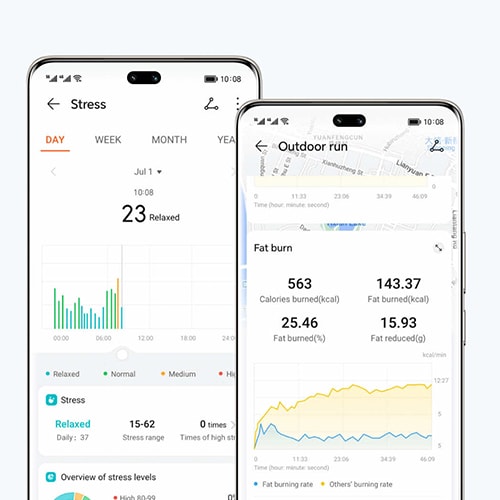
The integration of smartphones into healthcare systems has revolutionized the way medical services are delivered and managed. As mobile technology advances rapidly, healthcare providers and patients alike are increasingly leveraging these devices to improve health outcomes, increase accessibility, and foster more personalized care. This article explores the various ways in which smartphones are making a significant impact on healthcare, along with the limitations and future prospects of this technological synergy.
What Can a Smartphone Do in the Healthcare Area?
Smartphones have become vital tools in modern healthcare, facilitating a broad spectrum of functions that enhance patient care, streamline administrative processes, and promote health awareness. Their versatility allows healthcare professionals and individuals to connect, monitor, and manage health in unprecedented ways.
1. Health Monitoring Applications
Smartphones function as personal health assistants, equipped with an array of apps that track fitness and health metrics. Fitness apps monitor physical activity, steps, and caloric expenditure, encouraging users to stay active. Sleep-tracking applications analyze sleep quality and duration, providing insights that help improve overall rest patterns. These features support individuals in maintaining a healthier lifestyle and can alert users to potential health issues early on.
2. Telehealth and Telemedicine Services
The advent of telehealth has been greatly facilitated by smartphones, enabling remote consultations through video calls and messaging. These capabilities allow patients to receive medical advice, diagnoses, and follow-up care without visiting clinics physically. Remote monitoring tools integrated with smartphones also enable healthcare providers to keep track of patients with chronic illnesses, ensuring continuous care and early intervention when necessary.
3. Medication Management and Adherence
Managing medication schedules is simplified via smartphone apps that send reminders to take medicines on time. These apps also help users maintain detailed records of their medication history, which can be shared with healthcare professionals. Such tools improve adherence, reduce errors, and support better health outcomes.
4. Quick Access to Health Information
Smartphones provide instant access to electronic health records (EHRs) and a vast array of health information apps. Patients can review their medical data, understand their conditions, and seek reliable health advice, empowering them to participate actively in their care.
5. Educational Resources for Health and Wellness
A wide range of health-related educational content is accessible through smartphone apps and online platforms. Users can learn about nutrition, mental health, disease prevention, and wellness strategies, fostering informed health decisions and proactive management.
6. Emergency Response and Critical Alerts
In emergencies, smartphones are invaluable. They can receive urgent public health alerts, store critical information such as allergies or emergency contacts, and facilitate quick communication with emergency services, thereby saving lives.
7. Integration with Wearable Devices
Smartphones connect seamlessly with wearable health devices, such as fitness trackers and heart rate monitors. This integration allows for real-time health data collection and analysis, supporting preventive care and lifestyle modifications.
8. Medical Imaging and Diagnostic Tools
Advances in mobile imaging apps enable smartphones to capture and share diagnostic images, such as skin conditions or wounds. These tools assist healthcare professionals in remote assessments and facilitate early diagnosis.
Interesting:
9. Support for Mental Health
Mental health apps offer meditation, stress reduction exercises, mood tracking, and access to teletherapy sessions. Smartphones thus serve as accessible platforms for mental health support, reducing stigma and barriers to care.
10. Facilitating Medical Research and Data Collection
Participants in medical studies can use smartphones to contribute health data, participate in surveys, and engage with research initiatives. This democratizes data collection and accelerates medical discoveries.
The ongoing evolution of smartphone technology promises even more sophisticated applications in healthcare. For example, pairing devices like the HONOR 90 with dedicated health apps enhances capabilities such as sleep quality monitoring, heart rate tracking, and oxygen saturation measurement. These features assist users in managing their health proactively, although smartphones should complement—not replace—professional medical advice.
Limitations of Smartphones in Healthcare
Despite their numerous advantages, smartphones in healthcare also face significant challenges:
- Security and Privacy Risks: Sensitive health data stored or transmitted via smartphones are vulnerable to breaches. Ensuring compliance with privacy regulations, such as HIPAA, is critical to protect patient information. You can explore how laws influence healthcare data protection at this resource.
- Lack of Standardization and Regulation: The quality and reliability of health apps vary widely, with many lacking rigorous clinical validation. This inconsistency complicates their integration into formal healthcare systems.
- Data Accuracy and Device Limitations: Not all mobile sensors are clinically validated, and differences across device models can lead to inconsistent data, affecting diagnosis and treatment.
- Accessibility and Health Equity: The digital divide limits smartphone access for some populations, especially among older adults or those in underserved areas, exacerbating health disparities.
- Overreliance and User Engagement: Excessive dependence on smartphones may undermine traditional healthcare practices. Maintaining consistent user engagement with health apps remains a challenge.
- Interoperability Issues: Integrating smartphone data with existing electronic health records (EHRs) and ensuring seamless communication across healthcare systems is complex.
- Technical and Battery Constraints: Extensive app use can drain device batteries and cause technical glitches, impacting reliability during critical moments.
- Ethical and Legal Considerations: Questions about informed consent, liability, and ethical use of health data continue to evolve alongside technological advancements.
Addressing these limitations is essential to maximize the benefits of smartphone integration into healthcare while safeguarding patient safety and promoting equitable access.
The Future of Healthcare with Smartphones
The trajectory of healthcare technology suggests a future where smartphones play an even more central role in delivering personalized, efficient, and accessible medical services. Anticipated developments include:
- Expanded Telehealth Adoption: Virtual consultations will become more common, reducing the need for in-person visits and increasing convenience.
- Advanced Wearables and Continuous Monitoring: Integration with sophisticated wearables will enable real-time health tracking, early detection of health issues, and timely interventions.
- Artificial Intelligence Integration: AI-powered apps will offer predictive health insights, personalized recommendations, and decision support for both patients and clinicians.
- Enhanced Data Sharing and Interoperability: Seamless exchange of health data across systems and devices will foster a unified view of patient health, improving diagnosis and treatment plans.
- Digital Therapeutics and Chronic Disease Management: Apps focused on behavioral therapy, medication adherence, and lifestyle changes will become more prevalent.
- Patient Engagement Platforms: Virtual communities, educational tools, and interactive health programs will empower individuals to take control of their health.
- Blockchain for Data Security: Blockchain technology will improve the security, privacy, and traceability of health data transactions.
- Global Health Monitoring: Smartphones will be pivotal in tracking disease outbreaks, supporting early warning systems, and conducting rapid responses to health emergencies worldwide.
As innovations continue, the integration of smartphones into healthcare will lead to a more interconnected, data-driven, and patient-centered approach to medical care.
Conclusion
Smartphones are already transforming healthcare by improving access, enabling remote monitoring, and empowering patients with information. Although challenges such as privacy concerns and technological disparities exist, ongoing advancements promise to address these issues and unlock new possibilities. Embracing this digital evolution will be crucial for building a more effective, equitable, and innovative healthcare system.
For those interested in understanding how to navigate complex health decisions, resources like this guide offer valuable insights into making informed choices. As technology and healthcare continue to intersect, the potential for smartphones to enhance health outcomes is boundless.