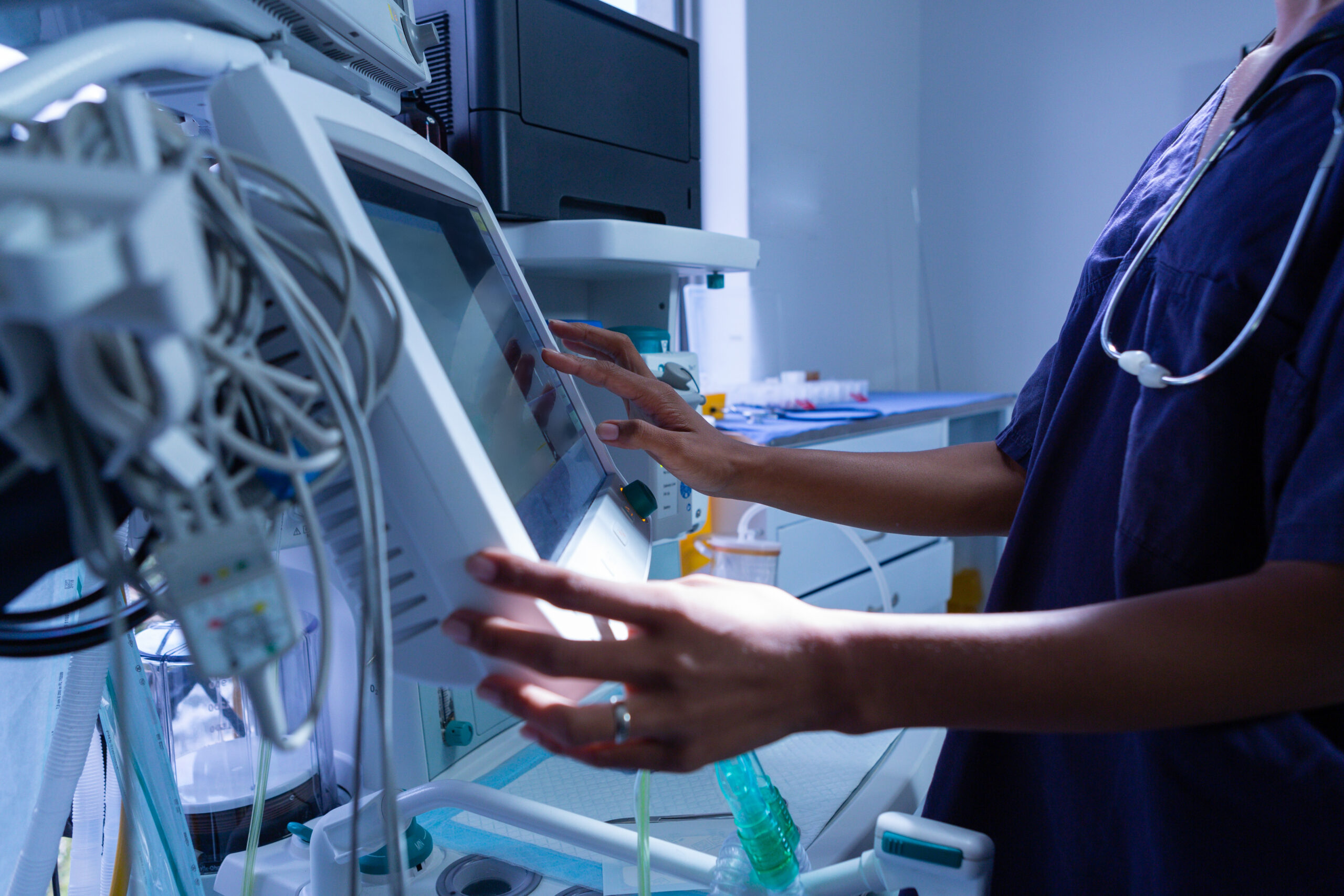
Understanding the full scope of user experience in medical device development is essential for creating solutions that are safe, efficient, and user-friendly. Service design plays a critical role in this process, ensuring that every interaction—whether with patients, clinicians, or support staff—is optimized across the entire healthcare ecosystem. By considering the needs of all stakeholders involved, medical device developers can produce more holistic and effective products that improve patient outcomes and streamline healthcare delivery.
Developing medical devices is not solely about the technology itself; it involves designing systems that support complex workflows and diverse user groups. From initial conception through to implementation and daily use, a comprehensive approach—integrating both service design and user-centered principles—is vital. This approach helps identify pain points, reduce errors, and foster seamless interactions among users, ultimately leading to safer and more effective medical solutions.
For healthcare professionals, understanding the importance of adhering to privacy standards such as HIPAA is crucial. Implementing proper compliance measures not only safeguards patient information but also enhances trust and operational efficiency. For detailed guidance on maintaining regulatory standards, healthcare providers can review compliance best practices, which outline key strategies for safeguarding sensitive data.
Designing for the Big Picture
Service design emphasizes viewing healthcare systems as interconnected entities rather than isolated components. It involves mapping out processes, interactions, and touchpoints across all levels of care—covering everything from device manufacturing to clinical workflows and patient engagement. This broad perspective ensures that medical devices are integrated seamlessly into existing healthcare environments, supporting clinicians and patients alike.
In practice, service design employs tools like stakeholder analysis and service blueprinting to visualize relationships and identify opportunities for improvement. For instance, understanding how medical staff interact with devices in various settings can reveal inefficiencies or safety concerns. By addressing these, developers can create solutions that are more aligned with real-world workflows, ultimately improving overall efficiency and patient safety.
Including diverse stakeholders, from hospital administrators to home caregivers, ensures that all perspectives are considered. This holistic approach is especially important in complex healthcare ecosystems, where cultural and environmental factors influence how devices are used and maintained. For example, integrating remote monitoring devices into patient care requires careful attention to how healthcare providers and patients communicate and exchange information.
The Role of Service Design in Medical Device Innovation
While user-centered design (UCD) focuses on optimizing the interaction between individual users and devices, service design broadens this scope to encompass the entire system. Both approaches are complementary; UCD ensures that devices are intuitive and meet specific user needs, whereas service design ensures these devices fit into the larger healthcare context.
Implementing service design principles can lead to several benefits, such as enhanced patient outcomes and improved workflows. For example, developing personalized treatment devices—like tailored infusion pumps—can significantly improve care quality. Similarly, creating intuitive interfaces for electronic health records (EHRs) can reduce administrative burdens for clinicians, leading to more satisfying work environments.
Furthermore, holistic systems thinking helps identify process bottlenecks. For instance, a centralized telehealth platform that integrates various medical devices and EHR systems can streamline remote patient monitoring, reducing delays and improving decision-making. Such innovations demonstrate how considering the entire ecosystem leads to more efficient healthcare delivery.
Interesting:
It is important to recognize, however, that in some cases—particularly with AI-powered devices—the application of service design may be limited. The FDA has approved numerous AI-enabled medical devices, which serve as assistive tools across specialties like radiology and cardiology. As AI technology advances toward autonomous operation, developers must carefully evaluate when and how to incorporate service design elements, always keeping human users at the core of the process. For more on this topic, review the guidelines for AI/ML in medical devices.
Combining User-Centered and Service Design for Optimal Outcomes
Integrating service design with user-centered approaches offers several strategic advantages in medical device development:
- Enhanced Patient Care: Devices that consider the entire care pathway and user interactions can deliver more personalized and effective treatments. For example, developing devices that support customized medication regimens improves individual patient outcomes.
- Better Work Environments for Healthcare Staff: Designing intuitive interfaces and streamlined workflows reduces frustration and administrative burdens. For instance, user-friendly EHR systems enable clinicians to spend more time with patients rather than on paperwork.
- System-Wide Efficiency: Holistic design can identify and eliminate process inefficiencies, such as integrating telehealth platforms that connect multiple devices and data sources, resulting in faster, more coordinated care.
Incorporating these principles not only improves device usability but also promotes a more resilient healthcare system. To understand how technological networks can further advance healthcare, explore ways to improve healthcare through innovative systems.
Considerations in AI and Future Technologies
Despite the many benefits, applying service design to AI-enabled medical devices requires careful deliberation. While the FDA has approved numerous AI/ML tools, many operate in supportive roles rather than autonomous functions. As AI technology progresses, it is critical to maintain focus on the human element—designing systems that support clinicians and patients rather than replacing them.
Developers should continually evaluate the appropriateness of AI integration, considering factors like safety, usability, and interoperability. Human-centered design remains fundamental, ensuring that these advanced devices enhance healthcare without compromising safety or user experience.
Ultimately, the goal is to develop medical solutions that are not only technologically advanced but also deeply aligned with the needs of all users involved. Service design provides a valuable framework to achieve this, fostering more inclusive, efficient, and effective healthcare environments.
Final Thoughts
In medical device development, balancing frontstage user interactions with backstage system processes is vital. Integrating user-centered design with comprehensive service design creates solutions that address the needs of clinicians, patients, and support staff alike. By prioritizing people over machines, developers can craft innovative devices that truly transform healthcare outcomes.
At StarFish Medical, embracing service design principles is fundamental to delivering value across all stages—from initial concept to final deployment—ultimately benefiting everyone involved in the healthcare journey.