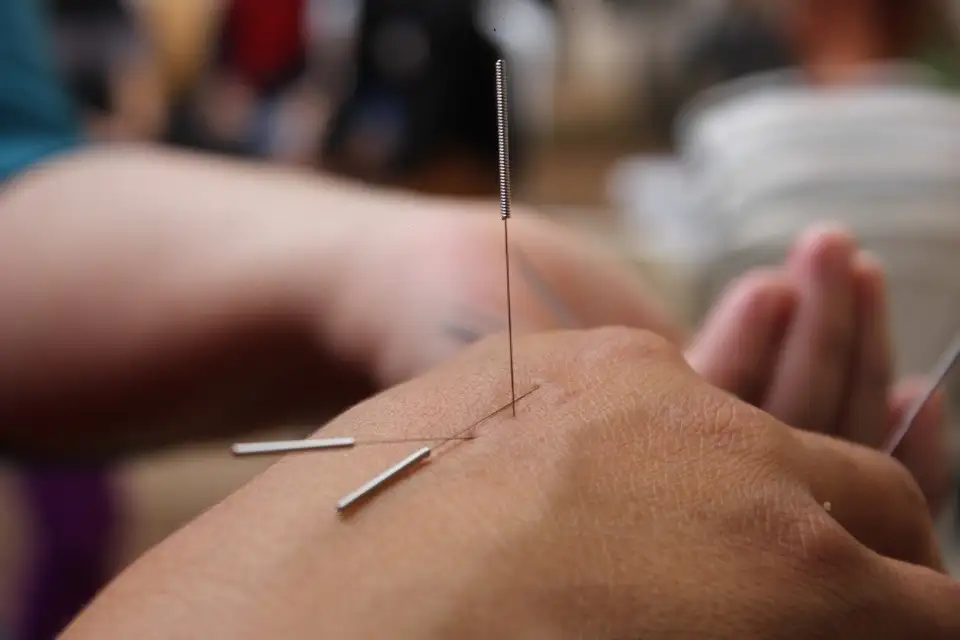
Acupuncture is widely known for its potential benefits, including pain relief, stress reduction, and alleviating anxiety. However, its classification within healthcare systems often causes confusion. Is it considered a primary healthcare service or a complementary treatment? Understanding how acupuncture fits into the broader healthcare framework can help patients and practitioners make informed decisions about its use and integration.
In this article, we explore what primary healthcare entails and whether acupuncture qualifies as a core component of it. While some may assume that any health-related treatment falls under primary care, the reality is more nuanced. Acupuncture is generally regarded as a form of Complementary and Alternative Medicine (CAM), which is offered in certain NHS facilities mainly for patients who have not found relief through conventional treatments.
Keep reading to learn more about the role of acupuncture in healthcare and how it relates to primary services.
Is Acupuncture Considered a Fundamental Part of Healthcare?
According to the NHS, acupuncture is not classified as primary healthcare but is recognized as a CAM modality. It exists alongside other alternative therapies such as homeopathy, aromatherapy, meditation, and colonic irrigation, which are typically offered in specialized settings. The availability of CAM treatments on the NHS remains limited; they are usually accessible only to patients who have exhausted conventional options and still seek additional relief.
The National Institute for Health and Care Excellence (NICE) provides guidance on the effectiveness and cost-efficiency of various treatments. For some CAM therapies, including acupuncture, NICE recommends their use only under specific circumstances, further emphasizing their supplementary status rather than core primary services.
Understanding Primary Healthcare
The NHS categorizes healthcare into three tiers: primary, secondary, and tertiary care.
Primary Healthcare serves as the initial point of contact for individuals seeking medical assistance. It encompasses general practice, dentistry, pharmacy, and optometry. These services address common health issues that can often be managed with straightforward interventions, without the need for specialized or hospital-based care.
Secondary Healthcare involves more complex or specialized services, often provided in hospital or community settings. Examples include planned surgeries or urgent treatments like fracture management. Secondary care is typically accessed through referrals from primary care providers when more advanced diagnostics or treatments are necessary.
Tertiary Healthcare represents highly specialized medical interventions, such as organ transplants, advanced neurosurgery, or forensic mental health services. These treatments require extensive expertise and specialized facilities.
Interesting:
How Does Acupuncture Fit Into Healthcare Services?
While acupuncture is not part of the primary healthcare system, it is sometimes available through NHS services in certain GP practices or clinics, mainly for patients who have not responded to conventional treatments. However, due to its classification as CAM, its accessibility remains limited, prompting many individuals to seek private acupuncture therapy instead.
For those interested in incorporating acupuncture into their practice, comprehensive training programs are available. These courses, often accredited by organizations like the Federation of Holistic Therapists (FHT), focus on evidence-based approaches and clinical reasoning to ensure safe and effective treatment delivery. To understand how healthcare systems operate across regions, exploring how Canada’s healthcare model functions provides useful insights.
Is an Acupuncturist a Medical Professional?
Although acupuncture itself is not classified as primary healthcare, practitioners who have undergone extensive training and earned recognized qualifications are considered healthcare professionals. The title Acupuncturist is protected by law and can only be used by individuals who have completed relevant degree programs or accredited courses.
Other health professionals, such as physiotherapists and osteopaths, may undertake specialized CPD (Continuing Professional Development) courses to practice acupuncture. However, they cannot use the protected title unless they meet the specific educational requirements.
For those interested in pursuing a career as an acupuncturist, training pathways are available to help develop the necessary skills and qualifications. More details on training options can be found by visiting dedicated educational resources.
Final Considerations
Research indicates that acupuncture may assist in managing various health conditions, including menopausal symptoms, mental health issues, sleep disturbances, and morning sickness. Nonetheless, under current NHS guidelines and recommendations from NICE, acupuncture is only provided on a limited basis within mainstream primary healthcare settings. Despite this, qualified acupuncturists are considered healthcare professionals due to their rigorous training and clinical expertise.
For healthcare practitioners looking to expand their skill set, Breeze Academy offers a range of CPD courses designed to incorporate acupuncture into your practice confidently and safely. If you’re new to acupuncture, starting with foundational training can be a great step, or opt for more advanced courses to specialize further.
By understanding where acupuncture fits within medical services and the importance of proper training, practitioners can better serve their patients and contribute to holistic healthcare approaches. To see how emerging technologies like AI are shaping healthcare systems, you might explore mapping the sector where is AI used in healthcare ecosystems.