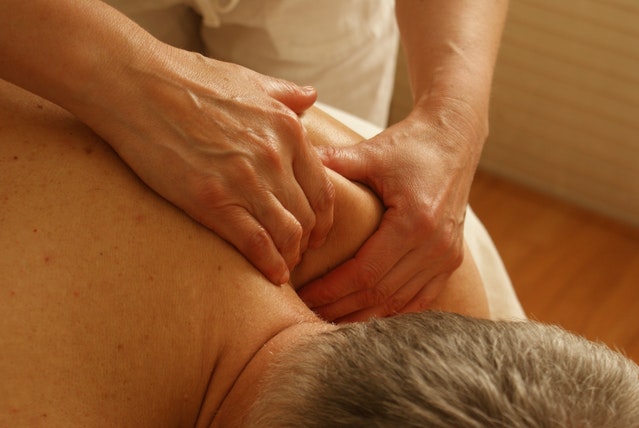
Massage therapy is often associated with relaxation and stress relief, but many wonder whether it truly qualifies as a form of healthcare. While some view it solely as a soothing activity, others recognize its significant role in supporting medical treatment and recovery. The truth lies somewhere in between. When performed by licensed professionals, massage therapy can be an essential component of holistic health care, contributing to pain management, injury recovery, and overall well-being.
Understanding the scope and legitimacy of massage therapy within the healthcare system requires examining its history, the training involved, and its tangible health benefits. This article explores how massage therapy fits into modern healthcare, the responsibilities of medical massage therapists, and how it compares to general massage services. Additionally, we will highlight the importance of integrating new technologies, such as virtual reality, into health-related fields, which can further enhance therapy outcomes.
The Evolution of Allied Healthcare Professionals
The landscape of healthcare has expanded significantly beyond the traditional roles of doctors and nurses. Today, a multidisciplinary approach is recognized as essential for effective treatment, recovery, and overall health management. This collaborative model involves a diverse group of allied healthcare workers—professionals trained to support and complement primary medical care.
These professionals include:
- Medical massage therapists
- Paramedics
- Psychologists
- Radiologists
- Nutritionists
- Audiologists
- Physical therapists
- Occupational and speech therapists
- EKG and ultrasound technicians
- Medical assistants
Studies suggest that up to 60% of healthcare employees are engaged in allied health roles, reflecting their critical contribution to patient care. Recognizing massage therapy as part of this team underscores its importance not just as a relaxation technique but as a valid medical service. For those interested in how emerging technologies are transforming healthcare, exploring virtual reality’s role in enhancing athletic performance illustrates how innovative tools are supporting physical recovery and performance optimization.
What Does a Medical Massage Therapist Do?
A licensed medical massage therapist provides treatment within the context of a healthcare plan prescribed by a physician. Unlike typical spa massage therapists, these professionals undergo extensive training to understand the anatomy, physiology, and pathology involved in various health conditions. Their goal is to assist in the healing process by targeting specific injuries or chronic issues, helping patients regain mobility, reduce pain, and improve overall function.
Injuries affecting the body’s muscles—over 600 in total—can lead to persistent pain, stiffness, and reduced movement. A knowledgeable massage therapist can apply targeted techniques to alleviate these problems. Techniques include:
- Swedish massage
- Deep tissue massage
- Sports massage
- Neuromuscular therapy
- Trigger point therapy
- Shiatsu
Research supports the integration of massage into conventional treatments, confirming its potential to accelerate recovery and enhance patient outcomes. For a deeper understanding of how technological advances are shaping the training of future medical professionals, see how virtual reality is used in surgical training.
Interesting:
The Benefits of Massage Therapy
The health advantages of massage therapy can vary depending on the specific technique used and the individual’s needs. Common benefits include:
- Promoting relaxation and reducing stress
- Enhancing circulation and lymphatic flow
- Alleviating pain and muscle tension
- Boosting immune system function
- Improving sleep quality
- Supporting mental health and emotional well-being
- Increasing flexibility and range of motion
- Improving athletic performance and recovery
Because massage therapy can be tailored to complement various treatment plans, incorporating regular sessions can improve outcomes for chronic conditions such as diabetes, hypertension, and depression. When developing healthcare applications or integrating new treatment methods, considering key factors in healthcare app development is crucial to ensure safety and efficacy.
Medical Massage Therapy vs. General Massage Services
While both medical and general massages involve manual manipulation of soft tissues, they serve different purposes and require different levels of training. Medical massage therapists are licensed professionals with advanced education focused on diagnosing and treating specific health issues. Their work is part of a comprehensive treatment plan aimed at injury recovery, pain management, or rehabilitation.
In contrast, massage therapists working in spas or wellness centers typically focus on relaxation, stress relief, and general well-being. Their services, while beneficial for overall health, are not intended to diagnose or treat medical conditions. It is important for individuals seeking therapeutic benefits to confirm the credentials of their massage provider and ensure they are trained in medical massage techniques.
The integration of artificial intelligence in healthcare—such as in diagnostics and treatment planning—further emphasizes the importance of qualified professionals in delivering safe, effective care. To explore how AI is transforming various sectors, including sports and pharmaceuticals, visit artificial intelligence applications in health.
Where to Find Licensed Medical Massage Therapy?
For those interested in professional medical massage services, reputable clinics such as Spring Chiropractic & Rehab offer licensed therapists skilled in a variety of techniques to support recovery and enhance overall health. These professionals work closely with healthcare teams to develop personalized treatment plans that address specific conditions and health goals.
Choosing qualified providers ensures you receive safe, effective therapy grounded in medical science. As the healthcare industry continues to evolve with technological innovations, integrating traditional practices like massage with modern tools can lead to better health outcomes. To learn more about how virtual reality and other technologies are revolutionizing treatment options, visit sources that discuss developing healthcare applications.