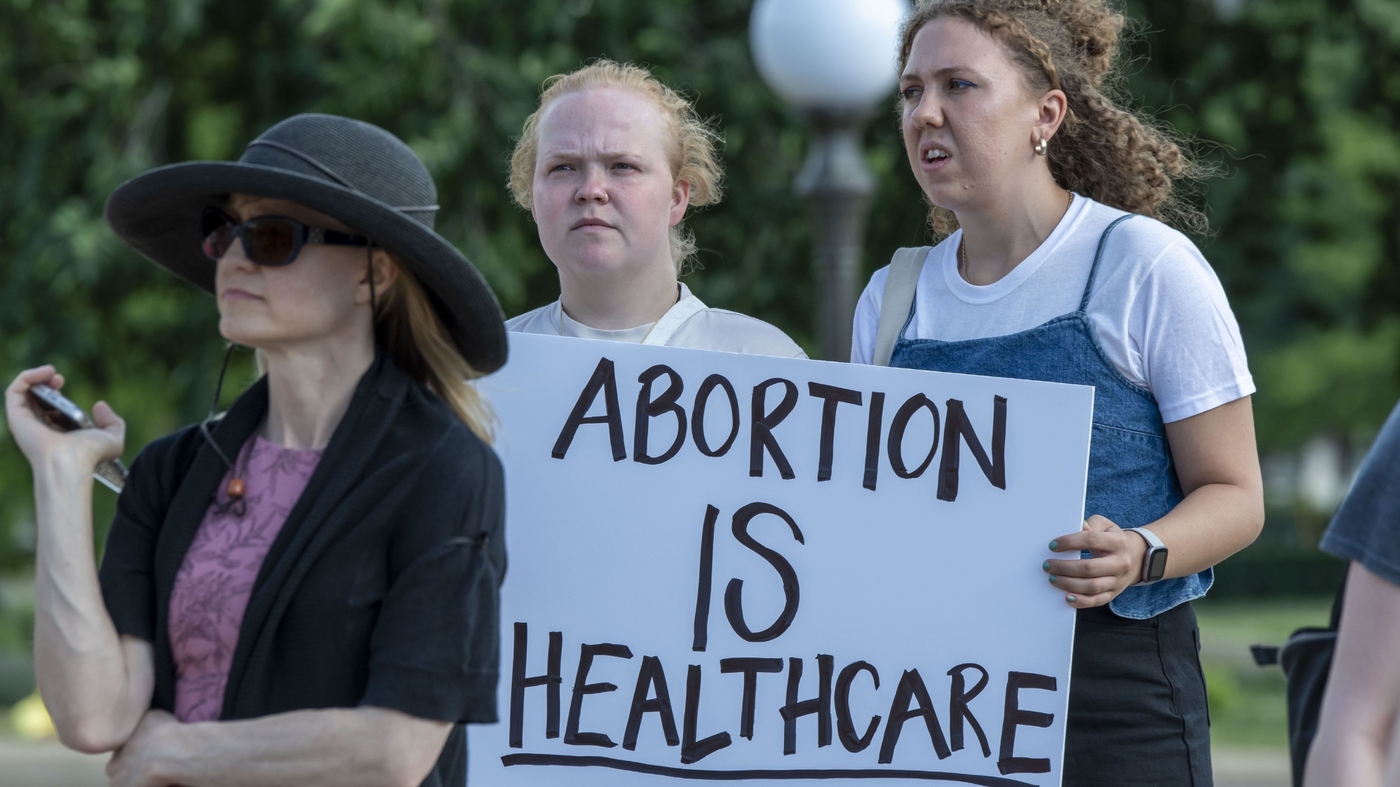
Legal and policy changes around abortion access have dramatically reshaped the landscape of healthcare coverage. As states implement divergent laws and courts continue to interpret legal boundaries, understanding how insurance plans handle abortion benefits has become increasingly complex. This article explores essential questions about insurance coverage for abortion, including legal obligations, the impact of state laws, and what options are available for those seeking reproductive healthcare amid ongoing legal debates.
Even before the Supreme Court’s decision to overturn Roe v. Wade, insurance coverage for abortion varied widely across different regions and plans. The recent ruling has intensified these disparities, with nearly half of the states expected to impose restrictions or outright bans on abortion in most circumstances. It’s important to recognize that whether your health plan covers abortion is not solely determined by state law—coverage decisions are influenced by a broad array of factors, including the specifics of your insurance policy and the legal environment in your state.
In some cases, a person might have insurance that covers abortion, but if there are no available providers nearby, access remains limited. Conversely, individuals with insurance that excludes abortion coverage can still obtain services, but only if they live in states where abortion is legal or if they can afford to travel and pay out-of-pocket expenses. Additionally, legal uncertainties loom over whether states that restrict abortion will have the authority to target coverage within employer-sponsored plans, a question that will likely be contested in courts for years to come. As Erin Fuse Brown from the Center for Law, Health & Society notes, “States will pass laws, there will be some conflict, and then it goes to the courts.”
Are health plans — or employers — required to offer coverage for elective abortions?
The straightforward answer is that there is no federal mandate requiring health plans or employers to cover elective abortions. “There’s no law that compels coverage of elective procedures like abortion,” explains Fuse Brown. However, the reality is more nuanced, as coverage depends on the type of health plan and the employer’s choices.
Some employer-sponsored plans do include coverage for elective abortions, which can be verified by reviewing plan documents or contacting insurers directly. Plans offered by large, self-insured employers—those that assume financial risk for their employees’ health costs—are generally exempt from state restrictions and may provide broader coverage. These self-funded plans often contract with third-party administrators or health insurers to manage claims.
In contrast, many Americans work for smaller employers that purchase fully insured plans directly from insurance companies. These plans are subject to state laws, which vary significantly. According to the Kaiser Family Foundation, eleven states restrict abortion coverage in most private plans, although some allow individuals to buy additional riders to cover abortion expenses. To determine what your plan offers, it’s advisable to contact your plan administrators directly, as insurance cards typically do not specify whether coverage is included.
For those purchasing coverage through the Affordable Care Act marketplaces, state laws play a crucial role. Twenty-six states restrict abortion coverage in these plans, while only seven states—such as California and New York—mandate it. Medicaid coverage also varies, with the Hyde Amendment limiting federal funding for abortions in most cases, though some states provide exceptions for medically necessary procedures. As a result, recent research indicates that a significant majority of abortions are paid for out-of-pocket, with the median cost of medication and procedural abortions ranging from approximately $560 to $895.
Interesting:
What about coverage for pregnancy-related complications that require procedures similar to abortion?
Insurance policies are required to cover essential health services, which include pregnancy-related care, especially when the health or life of the patient is at risk. Under laws such as the Pregnancy Discrimination Act of 1978, coverage must extend to high-risk pregnancies and obstetric care in general.
In cases like ectopic pregnancies—where a fertilized egg implants outside the uterus—medical intervention is often necessary to save the mother’s life. Such procedures are typically covered because they are considered essential health services. Similarly, complications like incomplete miscarriages that pose health dangers also fall under coverage mandates. These scenarios highlight the importance of clear legal and medical standards, particularly as states with abortion bans may have ambiguous rules about what constitutes necessary care, complicating physicians’ decision-making.
Can residents in states where abortion is illegal receive coverage elsewhere or access travel assistance?
Many large employers, including corporations like Microsoft and Netflix, have announced programs to reimburse travel costs for employees seeking abortion services in states where it remains legal. However, implementing these benefits involves complex legal and privacy considerations. Employers must decide whether reimbursement will be processed through health plans or other means, all while protecting employee privacy.
Legal conflicts also arise when state laws restrict abortion but a plan covers services in a different state. For example, if an Oregon-based company offers abortion coverage, what happens when an employee in Oklahoma seeks services? The legal landscape is fraught with uncertainty, especially as some states have laws allowing private citizens to sue those who assist in illegal abortions, including providers and potentially employers or insurers.
Legal experts warn that this uncharted territory may lead to extensive litigation. As Seth Perretta from the Groom Law Group emphasizes, “We are in uncharted territory here, as we’ve never before been in a situation where plans, as well as their employer sponsors and those administering the plans, might face criminal liability in connection with a plan benefit.”
The Future of Abortion Coverage and Legal Battles
The intersection of state laws, federal regulations, and employer policies creates a complex and evolving landscape. As laws continue to change, questions about what insurers will cover, what employers can do, and how courts will interpret these issues remain unanswered. These legal battles will shape the future of reproductive healthcare access and insurance coverage nationwide.
For more detailed insights into how different healthcare systems operate, including the intricacies of coverage and policy, resources like a comprehensive guide on how the US healthcare system works can be invaluable. Additionally, understanding broader health policy frameworks, such as the core principles behind universal coverage models, can be explored through guides on single-payer healthcare systems. Meanwhile, innovations in sports and health technology, including virtual reality applications, demonstrate how intersecting fields are advancing health and performance, as discussed in this exploration of sports and virtual reality.