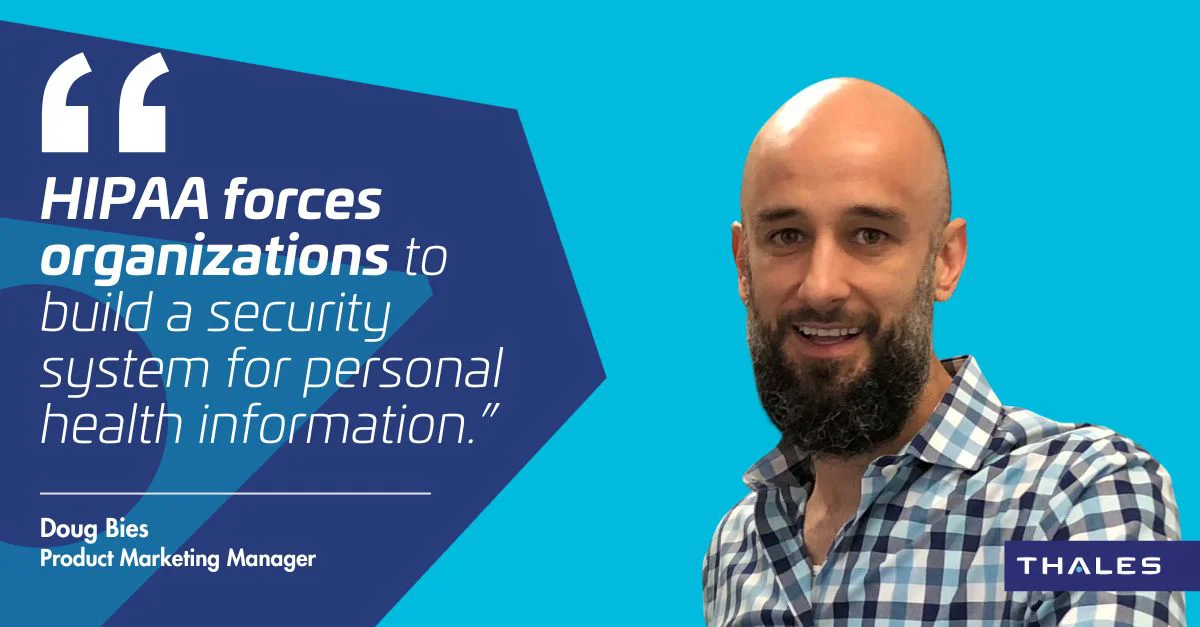
The healthcare industry is approaching a significant regulatory shift with the upcoming changes to HIPAA regulations in 2025. These updates aim to strengthen data protections, modernize security protocols, and align compliance requirements with evolving cybersecurity threats. For healthcare organizations, understanding and preparing for these modifications is essential to ensure continued protection of sensitive patient information and avoid hefty penalties.
As the landscape of digital health data continues to evolve, new rules emphasize comprehensive security measures, including mandatory encryption, multi-factor authentication, and enhanced risk assessments. This overhaul also underscores the importance of integrating advanced technologies and strategies, such as artificial intelligence-driven security solutions, to stay ahead of cyber threats.
In this article, we will explore what these regulatory changes entail, why they matter, and how organizations can adapt to meet the new standards, ensuring both compliance and robust data security. To gain insights into emerging technology applications in health data protection, review innovative uses of AI in healthcare. Additionally, understanding the transition from traditional to modern visualization techniques can be crucial, as detailed in the new era of pharmaceutical visualization. For organizations considering immersive security solutions, exploring VR and AR applications in health sectors can provide a strategic advantage.
—
What Are the 2025 HIPAA Changes?
The upcoming modifications to HIPAA are extensive, marking the first major update in over a decade. The core focus is on enhancing the security and privacy of electronic protected health information (ePHI) through more rigorous technical and administrative safeguards.
Key updates include the removal of the previous “addressable” standard, making all security measures mandatory with limited exceptions. Encryption is now explicitly required for all ePHI both at rest and during transmission, reflecting a global push toward stronger data protection. Multi-factor authentication protocols are clarified to bolster access controls, and risk analysis procedures are mandated to be more comprehensive and regularly documented.
Furthermore, organizations will need to implement routine vulnerability scans and penetration testing to identify and mitigate security weaknesses proactively. Incident response plans are expected to be more clearly defined and tested regularly, aligning with best practices outlined by cybersecurity standards such as those from NIST.
These changes also aim to align HIPAA with the latest cybersecurity frameworks, emphasizing the importance of staying ahead of evolving threats. Penalties for non-compliance are increasing, with fines reaching up to $50,000 per violation and potential jail time for responsible individuals.
Who Does the New HIPAA Regs Impact?
The updated regulations impact a broad range of entities involved in managing and transmitting health data. Covered entities, including hospitals, clinics, health plans, pharmacies, and physicians, will need to ensure their systems and policies are aligned with the new standards.
Additionally, business associates—third-party vendors such as cloud service providers, IT contractors, and data processors—are now subject to stricter compliance requirements. They must implement safeguards to protect ePHI they handle on behalf of covered entities, emphasizing the importance of robust third-party risk management.
Understanding these roles and responsibilities is crucial for compliance, as violations can lead to significant penalties and reputational damage.
Key Dates and Implementation Timeline
The Office for Civil Rights (OCR) at the U.S. Department of Health and Human Services (HHS) announced a Notice of Proposed Rulemaking (NPRM) in late 2024 to modify the HIPAA Security Rule, which is expected to take effect around March 2025 after a comment period. Healthcare organizations should start planning now to align policies, update technical safeguards, and train staff accordingly.
Interesting:
Given the complexity of the new requirements, proactive preparation is vital. Implementing advanced data protection tools, such as encryption and access controls, can help organizations meet compliance deadlines effectively.
What Do the Changes Mean for Data Security?
The regulatory updates reflect a broader trend toward adopting cutting-edge security measures, including automation and intelligent threat detection. Organizations are encouraged to leverage modern solutions that incorporate artificial intelligence and machine learning to identify anomalies, prevent breaches, and respond swiftly to incidents.
Encryption, once considered optional in some cases, is now an absolute requirement, underscoring the importance of robust key management practices. Multi-factor authentication adds an extra layer of verification, reducing the risk of unauthorized access.
Regular risk assessments, vulnerability scans, and penetration tests are now non-negotiable components of a comprehensive security strategy. These measures not only help organizations stay compliant but also strengthen their defenses against increasingly sophisticated cybercriminal tactics.
Consequences of Non-Compliance
Failure to adapt to the new HIPAA standards can lead to severe penalties, including hefty fines and criminal charges. Penalties are tiered based on the level of negligence, with the maximum fines reaching $1.9 million per year for repeated violations. Individuals responsible for breaches may face jail time ranging from one to ten years.
Beyond financial repercussions, non-compliance can damage an organization’s reputation and erode patient trust. As healthcare data breaches become more frequent and costly, investing in comprehensive security measures is both a regulatory requirement and a strategic necessity.
How Thales Supports HIPAA Compliance
While no single tool guarantees full compliance, Thales offers a suite of integrated data security solutions tailored to meet HIPAA requirements. Their platform provides encryption, identity and access management, and key management, enabling healthcare organizations to safeguard PHI effectively.
Thales’s solutions help organizations analyze risks, control access, encrypt data at rest and in transit, and de-identify sensitive information—crucial steps in achieving and maintaining HIPAA compliance. Their comprehensive approach simplifies compliance efforts by consolidating security functions into a unified platform, reducing the need for multiple vendors.
Adopting advanced security architecture, including immersive security technologies like VR and AR, can further enhance protective measures and staff training.
Final Thoughts
The upcoming changes to HIPAA regulations represent a pivotal moment for healthcare providers and related entities. By understanding the new requirements and implementing modern security practices, organizations can not only comply but also significantly improve their defenses against cyber threats. Staying proactive and leveraging comprehensive solutions like those offered by Thales ensures that protecting patient data remains a top priority in an increasingly digital healthcare environment.
To stay informed and prepare effectively, download the latest data threat report for insights into emerging risks and technologies shaping the future of health data security.