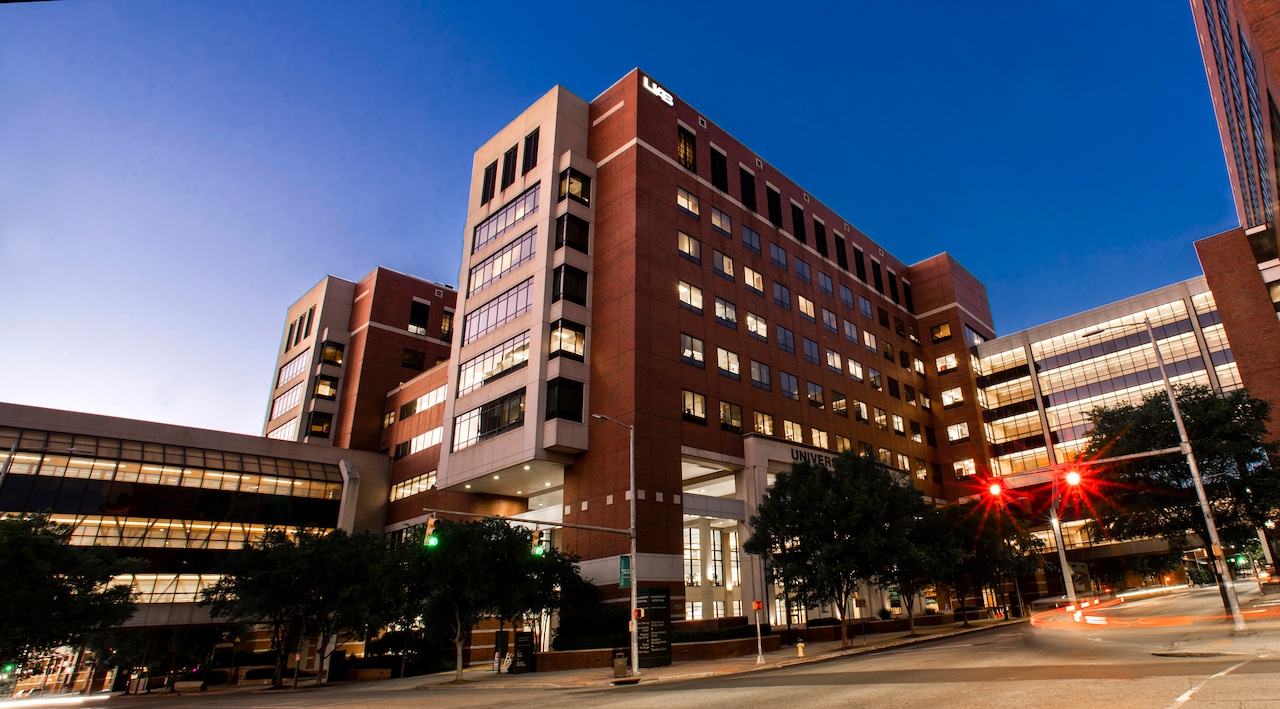
A tentative agreement has been reached between UAB Health System and UnitedHealthcare, allowing patients to retain their insurance coverage without interruption while finalizing a new contract. This development comes after months of negotiations and a looming expiration deadline, offering reassurance to the thousands of Alabamians who rely on these healthcare services.
Despite the contract’s expiration date approaching, both parties announced they are working swiftly to finalize the details within a one-week period. The goal is to establish a multi-year agreement that will ensure long-term stability and continuous access to high-quality medical care across the state. This approach aims to prevent disruptions that could impact patient treatment and access to services.
UnitedHealthcare, as the nation’s leading insurance provider, expressed its commitment to maintaining network access during this interim period. In a recent statement, they confirmed that their current contract extension extends through August 8, allowing negotiations to proceed without impacting policyholders. Once finalized, the new long-term contract is expected to solidify these arrangements, providing sustained coverage for UAB patients.
The ongoing negotiations are part of a broader pattern seen across the country, where hospitals and insurers grapple with reimbursement rates, claim denials, and payment delays. UAB, which serves approximately 1.4 million residents, initially warned that failure to reach an agreement could result in patients being personally responsible for their medical costs. These disputes often highlight the tension between healthcare providers’ need for fair compensation and insurers’ efforts to control expenses.
Interesting:
- Uab and unitedhealthcare reach tentative deal to maintain patient care continuity
- Maximize your benefits with unitedhealthcare chiropractic and physical therapy coverage
- Comprehensive guide to chiropractic insurance coverage with unitedhealthcare
- Your ultimate guide to breast pump coverage with unitedhealthcare
- Potential loss of in network coverage for unitedhealthcare members at uab health system
UAB has cited specific issues such as “below-market reimbursement rates, excessive claim denials, and delayed payments” as core obstacles in their negotiations with UnitedHealthcare. Similar conflicts have arisen with other hospitals nationwide, reflecting systemic challenges in the healthcare industry. UnitedHealthcare responded by criticizing UAB’s contract demands, claiming they could lead to increased premiums and out-of-pocket expenses for consumers. They described UAB as “one of the most expensive academic health systems in the Southeast,” emphasizing the financial tensions involved.
Historical context shows that negotiations between UAB and UnitedHealthcare have previously faced deadlocks, notably in 2019. In those instances, agreements were only reached shortly before deadlines, illustrating the complex and often tense nature of such negotiations.
For a comprehensive understanding of how technological innovations are transforming healthcare, particularly through immersive technologies, interested readers can explore virtual reality in medicine perspectives and features. Additionally, the evolving role of artificial intelligence in health services is significant, with many experts discussing how it is helping in the healthcare industry.
As negotiations continue, the focus remains on ensuring that patients do not face disruptions in their healthcare coverage, while both institutions work toward a mutually beneficial agreement that supports sustainable, high-quality medical services for Alabama residents.