


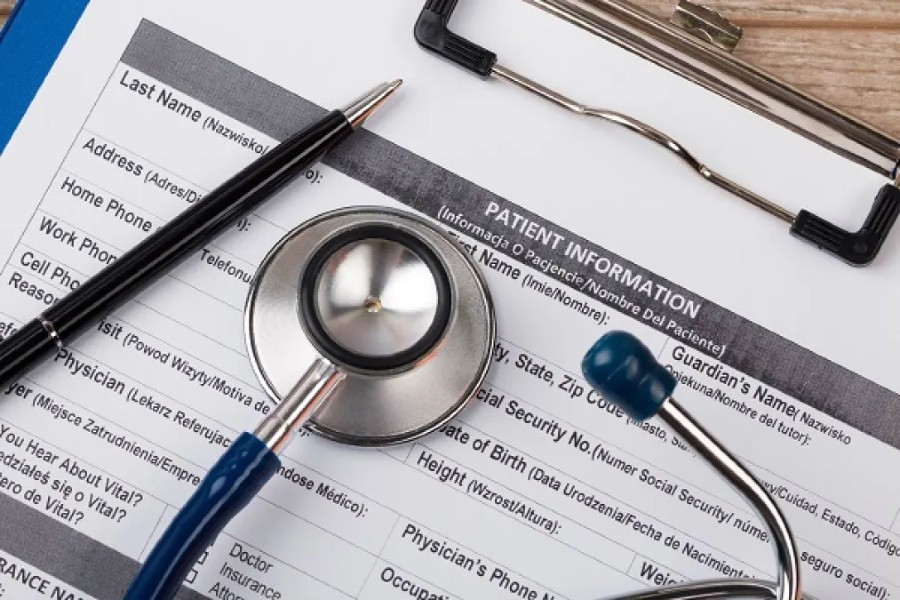
Accurate patient demographic data is a fundamental element in the healthcare industry, serving as the backbone for efficient medical operations, insurance processing, and quality care. When patients provide their personal information to hospitals or clinics, it becomes essential for healthcare providers to meticulously record and verify these details. Properly captured demographics facilitate seamless administrative procedures, from billing to treatment planning, and help prevent costly errors. Moreover, as healthcare increasingly relies on technological solutions, tools like real-time eligibility checks can significantly enhance data accuracy and operational efficiency. To discover how innovative systems are transforming healthcare workflows, see how XR technology is bridging the gap in modern medicine.
What Constitutes Patient Demographic Data?
Patient demographics encompass a comprehensive set of personal information that uniquely identifies and describes a patient. This includes basic identifiers such as Name, Age, and Gender, as well as specific health-related details like Allergies and Previous Medical History. Additional data points include Insurance ID numbers, Social Security Numbers, physical Address, and Contact Information. Collecting and maintaining these details accurately is vital for numerous reasons, particularly for processing health insurance claims and ensuring the correct patient receives appropriate care. The integrity of this data directly impacts the efficiency of reimbursement processes and clinical decision-making.
The Importance of Accurate and Timely Demographic Data
The accuracy of patient demographic information is paramount in healthcare. Even minor errors or omissions can cause significant delays in claim approvals or, worse, result in claim rejections. Ensuring data precision minimizes administrative burdens and accelerates reimbursement cycles, ultimately benefiting both providers and patients. Efficiently stored and retrieved demographic data allows medical billing professionals to process claims swiftly, reducing administrative overhead. Furthermore, current and accurate patient information supports healthcare providers in delivering personalized and effective treatment, especially when critical details like medical history or allergies are readily available. For a deeper understanding of how technological advancements are aiding healthcare delivery, refer to the role of AI in healthcare systems.
Why Patient Demographics Matter Beyond Billing
While proper demographic data is crucial for insurance reimbursements, its significance extends into clinical care. Accurate patient information ensures that medical professionals can make informed decisions, tailor treatments, and avoid adverse reactions. For example, knowing a patient’s allergies or prior medical conditions can influence medication choices and treatment strategies. Maintaining reliable demographic data also supports compliance with legal and regulatory standards, reducing the risk of penalties and ensuring continuity of care. In today’s digital age, leveraging technology such as automated data validation and real-time eligibility verification helps healthcare practices maintain high-quality records. Discover how innovative health management systems are streamlining these processes by visiting the impact of AI on healthcare delivery.
Best Practices for Managing Patient Demographic Data
Capture with Diligence: The process of collecting demographic details must be performed with care and attention. Patients should be prompted to review their information carefully, and staff should double-check entries for accuracy. Employing digital forms with validation features can help reduce typographical errors and missing data.
Interesting:
Eliminate Errors Proactively: Vigilance is required to identify and correct inaccuracies promptly. Modern healthcare systems can incorporate alerts and validation checks to flag inconsistent or suspicious entries, facilitating quick corrections. Regular audits of demographic data can further improve accuracy over time.
Regular Data Updates: Maintaining current information is essential for efficient billing and effective care delivery. Patients’ circumstances can change, making it necessary to periodically review and update their details within the system. Automated reminders or prompts can streamline this process, ensuring data remains reliable and useful.
By integrating advanced technology, such as systems that enable real-time verification of patient coverage, healthcare providers can significantly reduce data entry errors and minimize claim denials. These tools empower practices to maintain high-quality records and deliver optimal patient care. To explore technological solutions that enhance record accuracy and streamline workflows, visit how AI is transforming healthcare services.
—
Ensure your insurance eligibility checks are seamless and accurate with eClaimStatus. Start your 15-day free trial today by calling 310-294-9242 or emailing us at sales@eclaimstatus.com.