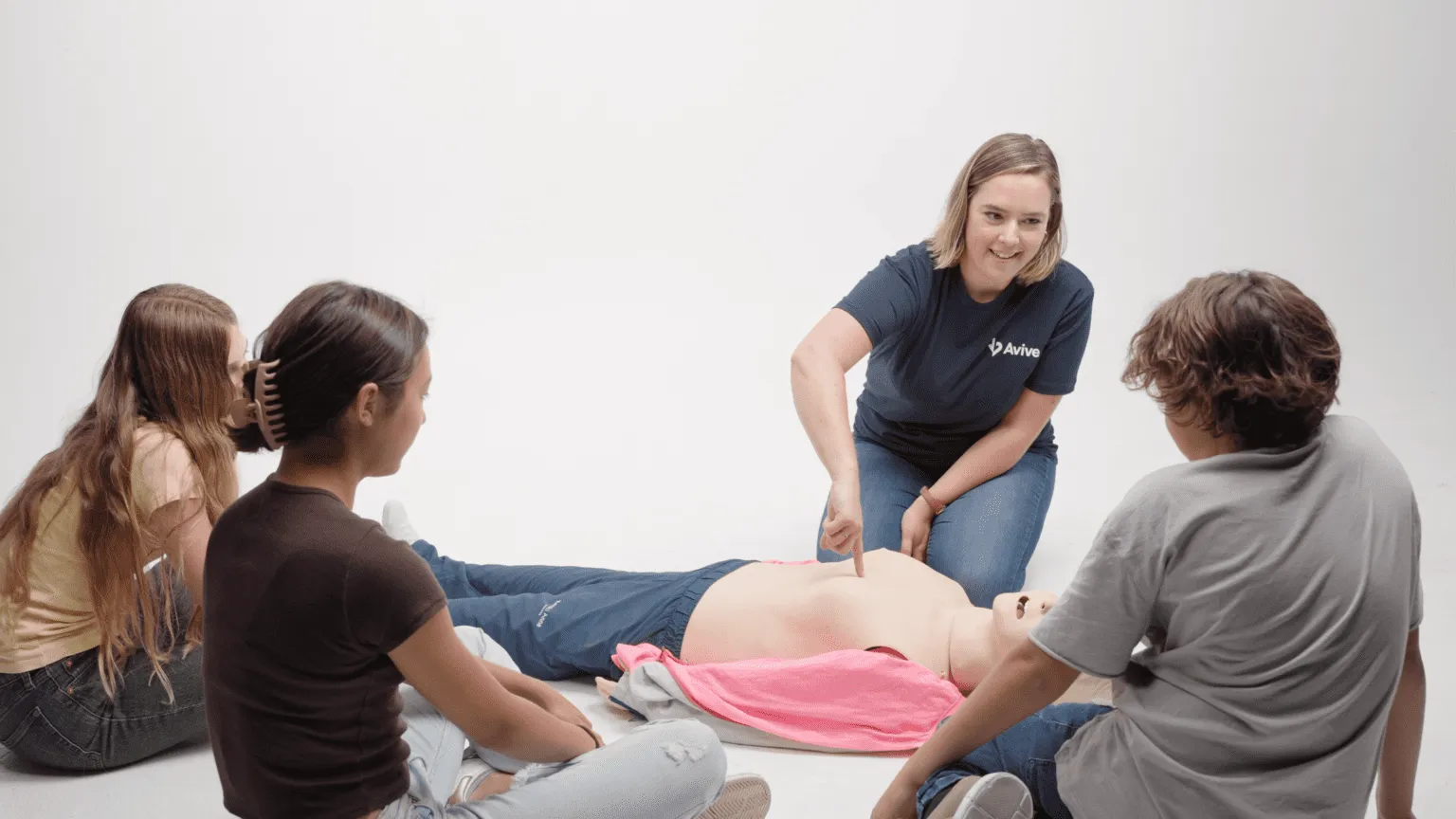
Prompted by the importance of lifesaving skills, many individuals seek to understand the distinctions between Basic Life Support (BLS) and Cardiopulmonary Resuscitation (CPR). Both are vital components of emergency response training, yet they serve different roles, audiences, and levels of complexity. This comprehensive overview aims to clarify these differences, explain the scope of each, and highlight why acquiring these certifications can be crucial for both healthcare professionals and laypeople alike.
In emergency situations, immediate action can make the difference between life and death. Learning the nuances of BLS and CPR not only prepares you to respond effectively but also enhances community health outcomes. For a broader perspective on how technology is transforming medical training, you might explore innovations such as virtual reality applications in healthcare education, which provide immersive learning experiences here. Additionally, emerging methods like immersive therapy are opening new avenues for mental health treatment, demonstrating the expanding role of digital tools in healthcare here.
—
BLS vs CPR: Clarifying the Core Differences
CPR, or cardiopulmonary resuscitation, is a life-saving technique used to manually maintain circulation and oxygenation in a person whose heartbeat or breathing has stopped. It involves rhythmic chest compressions and, in traditional forms, rescue breaths to sustain vital organ function until professional medical help arrives. CPR training is widely accessible and can be learned by anyone, regardless of medical background, through courses offered by organizations such as the American Red Cross or the American Heart Association.
BLS, or basic life support, encompasses a broader scope of emergency care procedures designed primarily for healthcare providers and first responders. It includes CPR but extends to additional interventions such as the use of automated external defibrillators (AEDs), airway management, and treatment of foreign-body airway obstructions. BLS training emphasizes teamwork, rapid assessment, and the application of advanced techniques to stabilize patients in critical conditions. Enrolling in a BLS class equips responders with the skills needed to deliver comprehensive emergency care in both pre-hospital and clinical settings. To understand how these advanced protocols integrate into broader emergency systems, review the details of north American models.
—
Understanding the Scope of CPR and BLS Training
CPR is often the first step in emergency response, focusing on restoring circulation and breathing through straightforward techniques. It’s suitable for the general public and often mandated for professions involving youth, swimming, or public safety. Courses typically teach rescuers how to recognize signs of cardiac arrest, perform chest compressions, and operate AEDs. Training durations are usually brief but intensive, combining theoretical knowledge with hands-on practice to ensure confidence in real-life situations.
In contrast, BLS training is more comprehensive and tailored to those who are likely to encounter severe emergencies regularly, such as emergency medical technicians (EMTs), nurses, and firefighters. BLS courses cover a range of skills, including multi-rescuer teamwork, advanced airway management, and the treatment of complex emergencies like opioid overdoses. The goal is to prepare responders for high-stakes scenarios, often in clinical or pre-hospital environments. For a deeper understanding of how BLS fits into the overall emergency response framework, explore how the industry supports AI’s role in healthcare.
Interesting:
- Understanding the distinctions between bls and cpr certification
- Understanding the distinction between bls and cpr a complete guide
- Understanding the distinction between masseuse and massage therapist
- Clarifying the differences between ehr emr and phr in modern healthcare
- Understanding insurance claims the complete guide to the process and how it works
—
Certification: Formal Recognition of Life-Saving Skills
Obtaining certification in CPR or BLS confirms that an individual has received proper training, understands essential techniques, and is prepared to act effectively during emergencies. Certification involves attending an accredited course, passing a practical and theoretical exam, and demonstrating proficiency in the skills taught. Both certifications are typically valid for two years, after which re-certification is necessary to stay current with best practices.
While certification in either skill set is not always mandatory, it is highly valued in many professions and can significantly improve response times and outcomes during cardiac emergencies. Whether you’re a teacher, a healthcare worker, or a community volunteer, being certified ensures you are equipped to make a difference when it matters most.
—
Final Thoughts: Why Lifesaving Skills Matter
Being trained and certified in CPR or BLS not only enhances your personal safety but also empowers you to assist others confidently during emergencies. With approximately 350,000 Americans experiencing sudden cardiac arrest annually, the ability to respond swiftly can dramatically increase survival rates. Knowledge of the differences between BLS and CPR helps responders select the appropriate intervention based on the situation and their level of training.
Community initiatives and individual efforts to learn these skills are crucial in improving survival outcomes. As technology advances, incorporating tools like virtual simulation and immersive therapies may further enhance emergency training programs, making lifesaving skills more accessible and effective. To see how innovative approaches are shaping the future of medical education, visit here. Equipping yourself with these vital skills can truly be a life-changing decision for someone in need.
Learn more about how organizations are working to improve survival rates through community training and technological advancements.