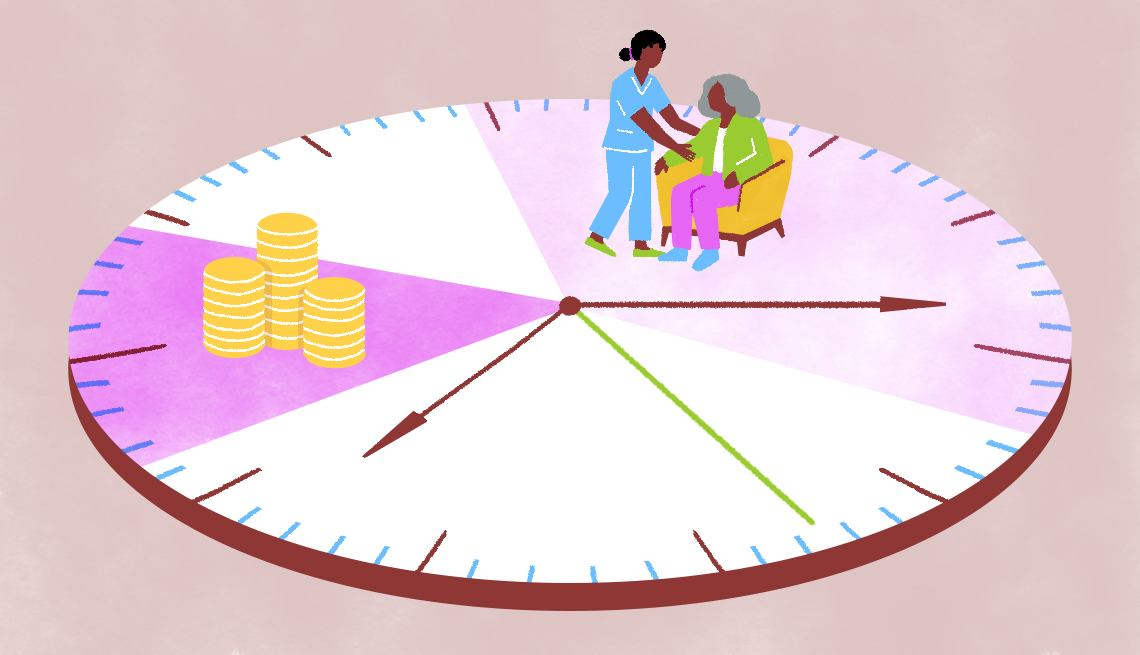
Securing long-term care insurance is a vital step in safeguarding your financial future and ensuring peace of mind as you age. Making the right timing decision can mean the difference between affordable coverage and steep premiums or even being denied coverage altogether. Understanding when to purchase this type of insurance involves evaluating your current health, financial situation, and long-term goals. By planning ahead, you can better navigate the complexities of health care costs and protect your assets from unexpected expenses.
Long-term care insurance isn’t just about coverage; it’s about preventing financial distress. It helps you avoid the necessity of liquidating assets prematurely or selling your home to cover care costs. As Zach Chamberlain, a Louisville-based wealth planner, explains, “It’s protecting yourself against having to do, in essence, a fire sale of all your assets.” This type of insurance can also ease the burden on family members, providing the flexibility for you to receive care outside your home if needed. Chamberlain emphasizes that “the insurance isn’t necessarily just protection for the older person getting sick, it’s also about making sure the burden isn’t too heavy on your loved ones who are there to help out.”
Understanding the Timing for Purchasing Long-Term Care Coverage
The decision of when to buy insurance hinges on several factors, including age, health status, and financial preparedness. The ideal time is generally before significant health issues arise, as health conditions can make qualifying for coverage difficult or more expensive. Starting early allows for lower premiums and greater eligibility, ensuring that your policy aligns with your needs when the time comes.
The best time to buy is often in your early to mid-50s or early 60s. Waiting too long can lead to prohibitively high premiums or rejection due to health issues. For example, a 55-year-old man might face an estimated annual premium of around $2,075 with an inflation rider that increases benefits by 3% each year. If he delays until age 65, that premium could rise by approximately 51%, reaching about $3,135 annually. Interestingly, despite higher premiums, purchasing earlier could result in paying more over time than waiting, as the total premiums paid by age 80 may be lower for someone who starts at 55.
Women generally pay higher premiums than men, reflecting their longer average lifespan. For women, starting coverage at age 65 instead of 55 could mean paying about 43% more annually but saving over $13,000 in total premiums by age 80. This highlights the importance of considering gender and health status when planning your timing.
The Cost of Long-Term Care and Insurance
The financial burden of long-term care is substantial. In 2021, the median annual cost for a private room in a nursing home was approximately $108,405, according to Genworth. Assisted living in a private room averaged around $54,000 per year, while in-home care with a health aide cost about $61,776 annually. These figures do not include Medicare, which primarily covers short-term rehabilitation rather than long-term care.
Interesting:
Given these expenses, it’s prudent to assess your savings and assets. According to Fidelity Investments, many boomers have accumulated substantial retirement savings—averaging around $400,000 in their 401(k)s by September 2023, with some having nearly $500,000 after 15 or more years in their plans. These savings can help offset care costs, but planning ahead with insurance can provide additional security.
When to Purchase Based on Age and Health
Timing is crucial. Delaying your purchase increases the risk of higher premiums or denial of coverage. For instance, a couple waiting until age 75 to buy coverage could see their premiums almost double, with a 91.9% increase. Similarly, seeking coverage after age 70 significantly lowers the chance of approval, with rejection rates nearing 50%.
Most experts agree that health is the most critical factor. Jesse Slome, executive director of the American Association for Long-Term Care Insurance, notes, “Most people focus on cost, but your health is the key element if you want to qualify for coverage.” Many ailments that develop later in life are treatable, and undiagnosed health issues can disqualify applicants or lead to higher premiums.
Additional Resources and Considerations
To better understand the intricacies of healthcare costs and planning, reviewing resources such as a detailed overview of the US healthcare system can be beneficial. Furthermore, innovations in technology like virtual reality are increasingly influencing both athletic training and surgical education, as seen in studies on enhancing athletic performance and training future surgeons. These advancements may also impact how healthcare services evolve in the coming years, potentially affecting long-term care options and costs.
In summary, purchasing long-term care insurance at the right time—preferably in your 50s or early 60s—can help you secure more favorable rates and ensure coverage when you need it most. Being proactive about your health and financial planning ensures that you can age with dignity and financial stability, avoiding the pitfalls of delayed coverage.